
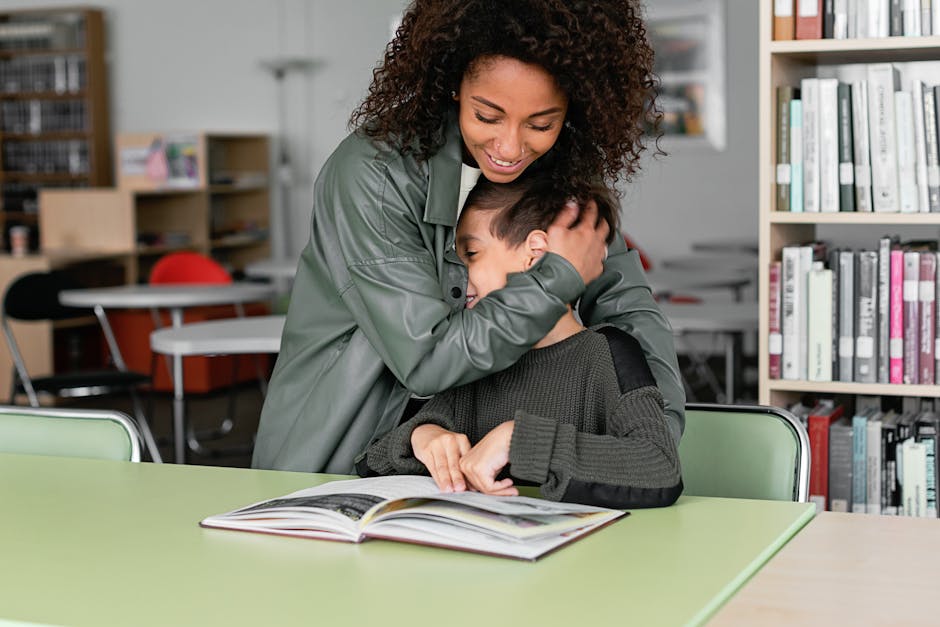
Start Early, Stay Consistent
If you want a kid to love reading, don’t wait. Start reading aloud from day one even if they’re too little to understand the words. Babies soak in rhythm, tone, and connection. This simple habit builds trust and curiosity, both core to reading later on.
Make it a routine. Same book every night? Great. A quiet hour each weekend where everyone picks something to read? Even better. Routines give reading a regular place in their world, not just something reserved for school or “when there’s time.”
Also, let them catch you with a book. Kids model what they see. If they only see you scrolling or watching TV, they pick up the message: screens are fun, books are work. But if they see you curl up with a novel, or bring a book to the park, they start to see reading as part of life not a chore.
Make Books Accessible Everywhere
Creating a reading rich environment doesn’t require a huge budget or a dedicated room just a little intention and consistency. When books are easy to reach and always around, they naturally become part of a child’s daily rhythm.
Build a Home Library (Even a Small One)
You don’t need floor to ceiling shelves to make an impact. A few baskets, a dedicated shelf, or a cozy reading nook stocked with age appropriate books can spark interest and curiosity.
Organize books by theme, author, or color for easy browsing
Shop local library sales or thrift stores for inexpensive titles
Let kids help curate their space it gives them ownership and pride
Keep Books Within Arm’s Reach
The more accessible books are, the more likely kids are to pick them up in moments of downtime. Think beyond the bedroom bookshelf.
Keep a few books in the car for on the go reading
Place a stack in the living room or on the kitchen counter
Slip a book or two into their backpack for school or outings
Mix It Up: Old Favorites + New Finds
Combining comfort reads with the excitement of something new keeps reading fresh and adventurous.
Rotate books regularly to prevent boredom
Reintroduce beloved titles as part of a monthly “book spotlight”
Include new titles that align with seasonal topics, holidays, or current interests
The goal is simple: make books visible, reachable, and irresistible.
Follow Their Lead
The fastest way to kill a kid’s interest in reading? Force the wrong book into their hands. Let them choose comic books, joke books, game guides, whatever grabs them. If it has words and they want to read it, it counts.
Kids are more likely to stick with reading when it connects to things they already care about. Dinosaurs, space, baking, Minecraft it doesn’t matter. Build off those interests instead of steering them toward what you think they should be reading. So skip the lecture on classic literature there’s time for that later.
This isn’t about lowering the bar. It’s about laying the groundwork. The love of reading is built on curiosity first, quality second. Respect that process, and you’ll raise readers who actually want to read.
Get Creative With Engagement

Kids don’t always fall in love with reading through books alone. Sometimes, it takes a little theater, a bit of art, or a dash of novelty to spark something real. Audiobooks are a solid start perfect for downtime or long rides when screen time isn’t the best move. They also offer a way for reluctant readers to connect with stories without the pressure of decoding every word.
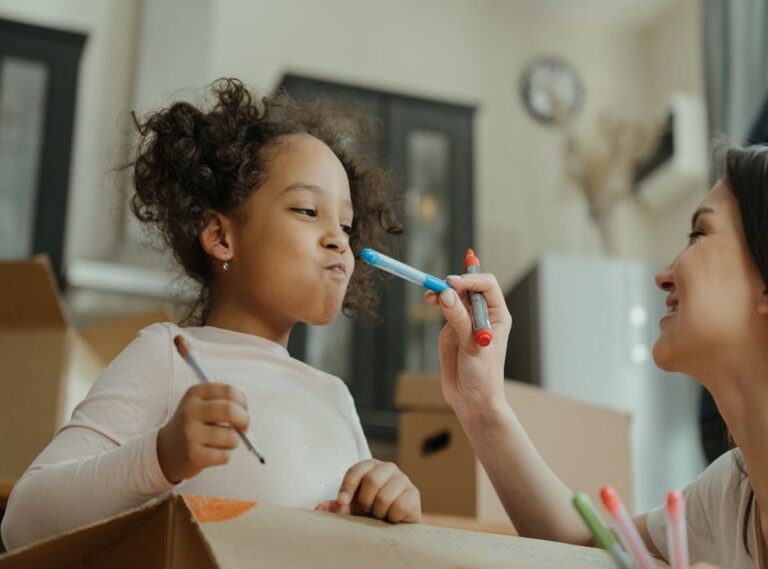
Want to bring the story beyond the page? Act it out together. Be the dragon. Let them be the knight or vice versa. If you’re not into improv, grab some crayons and let them draw their favorite scene or imagine what the characters look like. Whatever gets them thinking deeper about what they’ve heard or read.
And finally, the book tasting: grab a mix of genres silly, spooky, adventurous, fact packed and let your kids sample them all in one sitting. It’s like a buffet, but for storytelling. You’re not forcing anything you’re giving them flavor options and letting curiosity do the heavy lifting.
Celebrate Every Page
Kids don’t need to finish a big chapter book to feel proud they need to be seen when they try. That means calling out the effort: sitting down with a book, sounding out tough words, choosing to read instead of zoning out in front of a screen. When you recognize that grit, even in the tiniest steps, you’re teaching them that reading isn’t about perfection. It’s about showing up.
Small wins deserve small celebrations. A finished page? Sticker time. Read for ten minutes? Toss a marble into the reading jar. Five marbles? Pick a new book. The goal isn’t to over hype it it’s to build momentum in a way they can feel. Simple rituals like high fives or bookmarks earned through effort go a long way.
Bonus: most local libraries run free reading challenges throughout the year. Sign up. The external structure gives kids new motivation, and the community aspect makes them feel part of something bigger. Plus, prizes never hurt.
Connect Reading to Real Life
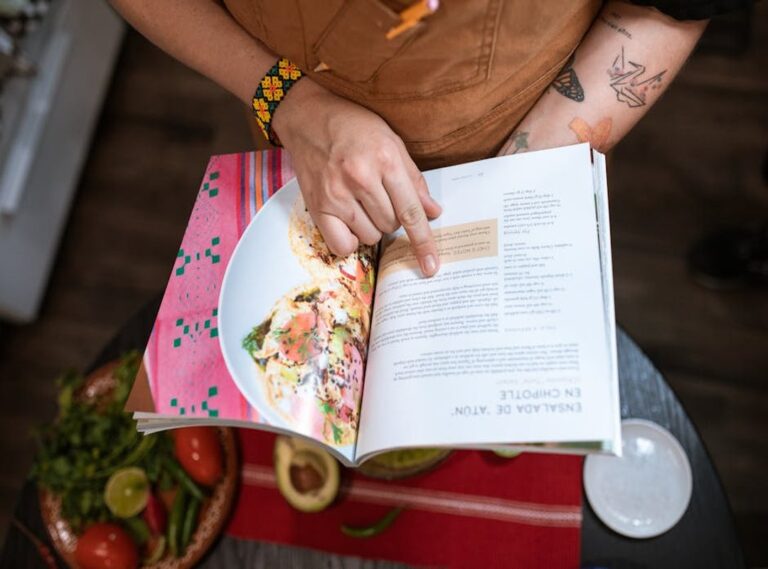
Reading isn’t just for storytime. It’s baked into daily life sometimes literally. Start by inviting your child to read recipes out loud while you cook. Let them measure, stir, and read step by step alongside you. It makes reading feel useful, not abstract.
Next time you’re out and about, show how reading pops up everywhere. Read street signs, scan menus together at a restaurant, or figure out instructions as a team when building a toy. It turns everyday moments into low pressure reading practice.
Better yet, connect books to real world experiences. Reading about lions? Take a trip to the zoo. Exploring ocean life? Visit an aquarium. Nature themed books? Go on a stroll and match what you find to the pages. The more kids connect books to what they see and do, the more reading becomes something they want to carry into the world with them.
Keep It Fun Always
If reading starts to feel like homework, you’ve already lost the battle. Kids don’t need another task on their list they need stories that light them up, characters they can laugh with, plots that pull them in. So ditch the pressure. Celebrate the moments when they’re giggling over a goofy book or asking for one more page before bed.
Don’t worry about how fast they’re reading or what grade level the book says. That’s background noise. What matters is whether they’re coming back for more. A joke book or graphic novel might be the spark that turns into a lifelong habit so go with it.
Reading should be shared joy. Make silly voices. Guess what happens next. Get a little ridiculous. That’s where the magic lives.
Make space for fun, and the love of reading will follow.
If you’re looking for even more actionable ways to build a solid reading foundation, check out this deep dive on how to encourage reading habits in kids. It cuts through the fluff and offers strategies that are both research backed and tested by real parents. Whether you’re working with a reluctant reader or just trying to make story time more meaningful, it’s a solid resource worth bookmarking.
















































































































































































































































































































































































































































































































































































































































































































































































































































































































































































































































































































































 Senior Parenting & Education Editor