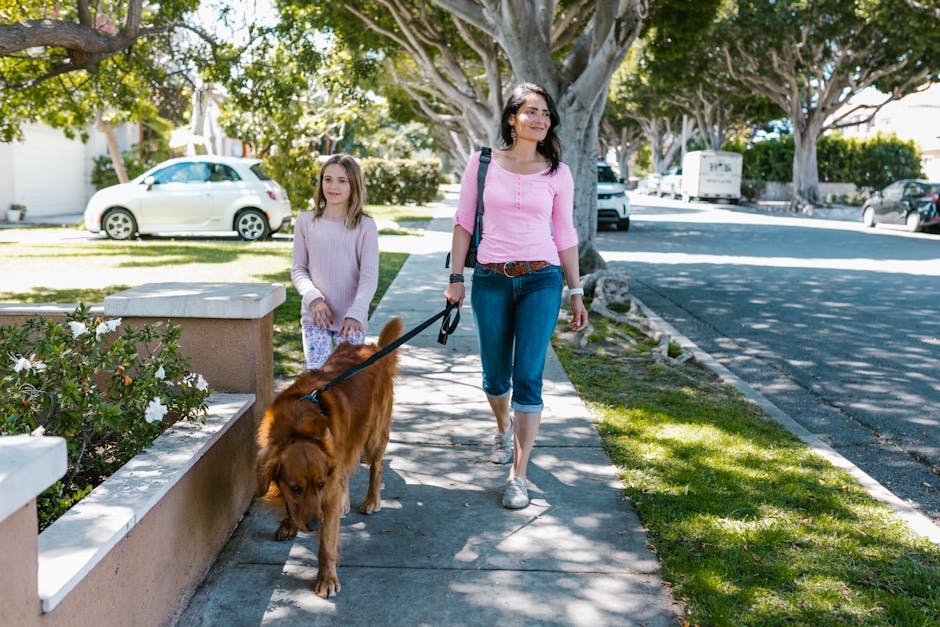

My kid just spilled cereal on the dog. Again.
You’re already late. Your phone buzzed three times before you even brushed your teeth.
And someone (probably) you (is) trying to “do wellness” while running on fumes and Google searches.
I’m done with perfect wellness. The kind that needs a planner, a smoothie blender, and twenty minutes of silence before sunrise.
This isn’t that.
These aren’t tips for people who have time to meditate before their kids wake up. Or who can afford weekly acupuncture. Or who’ve never Googled “why is my child’s screen time making me cry.”
I’ve worked with families where one parent works nights, where grandma lives in the basement, where ADHD or anxiety shapes every meal and bedtime.
Real families. Messy schedules. Limited bandwidth.
Everything here is tested (not) in labs, but in living rooms, minivans, and school pickup lines.
No theory. No guilt-tripping. Just habits that stick because they fit.
You want low-effort, high-impact moves. Not another rigid system.
That’s exactly what you’ll get.
Health Hacks Fparentips that actually work when life doesn’t pause for self-care.
Start Small: 3 Micro-Habits That Stick
I tried big habit changes. They crashed hard. Every time.
Micro-habits are tiny behaviors you do immediately after something you already do daily. Not “meditate for 20 minutes.” Try 2-minute breathing before breakfast. Right after you pour your coffee.
Or refill everyone’s water glasses together at dinner. That’s a shared ritual. No fanfare.
Just movement and presence.
The brain latches onto what’s already wired. A 2022 meta-analysis in Nature Human Behaviour found habit stacking boosts adherence by 72%. You’re not adding new effort (you’re) piggybacking.
Bedtime resistance? Try 3-minute gratitude sharing after toothbrushing. School meltdowns?
Do a 5-minute device-free walk right after the car stops.
Teens will eye-roll. That’s fine. Let them stand there silently.
You do the talking. Or just sit with them (no) pressure.
Kids resist? Drop the script. Say, “We’re trying this for three days.
Then we trash it if it sucks.”
You don’t need perfection. You need repetition.
If it feels forced for more than a week? Pause. Reset.
Try a different anchor.
This isn’t about fixing your family. It’s about showing up (briefly,) consistently, without burning out.
Fparentips has real parent-tested tweaks for exactly this kind of thing.
Health Hacks Fparentips aren’t magic. They’re just smaller doors into better days.
Start with one. Not three. Not tomorrow.
After your next meal.
That’s enough.
Move Together, Not Alone: Play-Based Movement for All Ages
I stopped saying “exercise” years ago. It sounds like homework. I say move instead.
And I mean it with people (not) at them.
You don’t need gear. You don’t need perfect weather. You just need five minutes and the willingness to be silly.
Living room dance-offs: 8 minutes. Toddlers build balance. Teens loosen up.
Grandparents remember how their hips used to swing. (Yes, really.)
Sidewalk chalk obstacle courses: 12 minutes. Preschoolers practice sequencing. Tweens test coordination.
Adults sneak in core work without noticing.
Grocery store scavenger hunts: 10 minutes. Kids count apples. You carry bags.
Shoulders and grip get real work. Everyone walks more than they planned.
Health Hacks Fparentips is where I keep the short versions of these (no) fluff, just what works on Tuesday at 4:37 p.m.
Short on time? Try movement minutes. Two minutes of jumping jacks between Zoom calls counts.
So does standing up and reaching for the ceiling three times.
Limited space? Try seated yoga flows or upper-body games. Like “pass the balloon” with no hands.
Safety first: Mix ages? Match pace to the slowest mover. Watch for overheating, tripping hazards, and sensory overload (e.g., loud music + flashing lights = hard pass for some kids).
Adaptations aren’t optional. They’re how movement stays joyful (for) everyone.
I’ve seen a nonverbal 9-year-old lead a whole living room parade using only eye gaze and a tambourine. That’s not therapy. That’s connection.
Food as Connection, Not Control
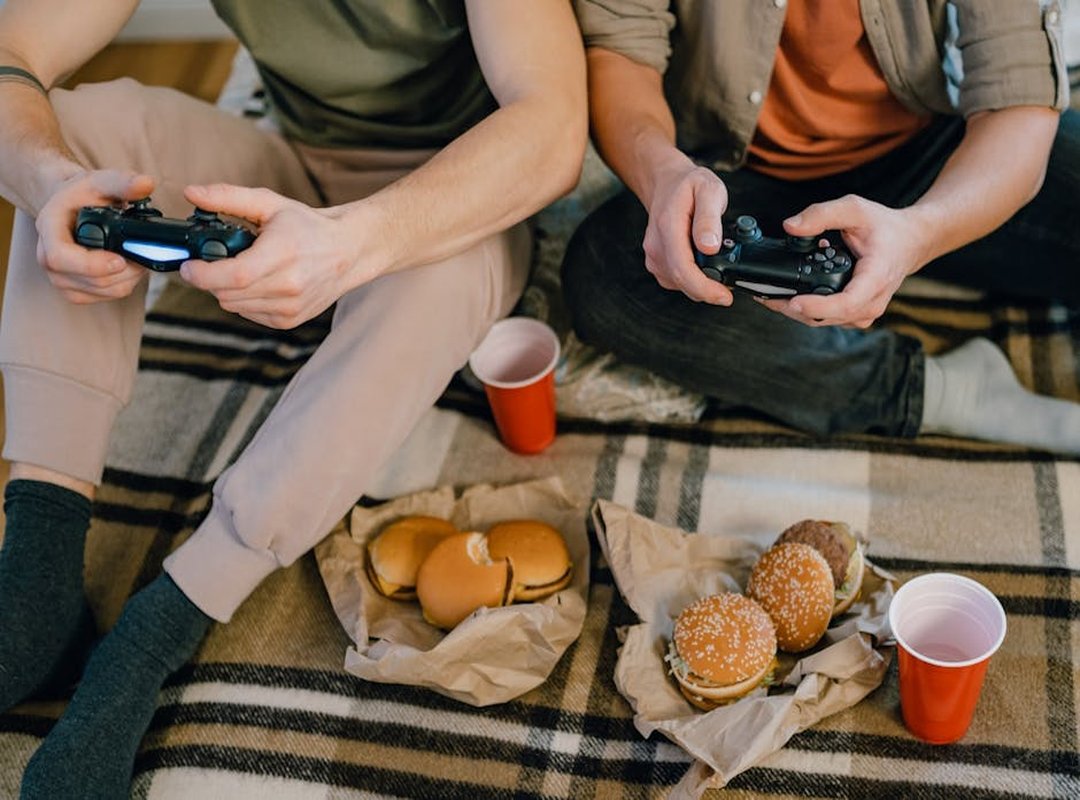
I stopped calling meals “nutrition opportunities” and started calling them “us time.”
That shift changed everything.
Diet culture has ruined dinner. It turned spaghetti night into a power struggle. I’m done with that.
You are too. (Admit it.)
The 3-Bite Rule is real: ask your kid to try three bites (not) to finish, not to like it (but) just to notice. Texture. Temperature.
Smell. That’s how curiosity beats fear. I’ve watched kids go from gagging at peas to asking for pea soup.
Six months later. No bribes. No charts.
Try this rhythm:
You can read more about this in Health Guide Fparentips.
Make-It-Together Monday (they tear lettuce, stir batter)
Taco Tuesday (build-your-own = zero complaints)
Leftover Remix Friday (they pick the sauce, you reheat)
No rigid plans. No guilt if Wednesday is scrambled eggs at 4 p.m.
That “kids need snacks every 2 hours” myth? False. Pediatric guidelines say most kids under 10 don’t need scheduled snacks (if) meals are balanced and they’re moving freely.
True hunger looks like focused eating. Boredom looks like nibbling while watching cartoons.
You’ll spot the difference faster than you think. Trust your gut. Not the apps.
The Health Guide Fparentips lays this out plainly. No jargon, no scare tactics. Just what works.
Right now. In real kitchens.
Snacks aren’t fuel logs. Meals aren’t behavior reports. They’re where your kid learns safety.
Rhythm. Belonging.
Start there.
Not with spinach.
Digital Boundaries That Actually Stick
I stopped calling it “screen time” years ago. It’s purposeful vs. passive. And that shift changed everything.
Purposeful? Your kid watches one documentary on sharks, then sketches a great white. Passive?
Scrolling TikTok for 47 minutes while forgetting to eat lunch. (Yes, I timed it.)
We wrote our family media agreement together. Not me dictating rules. We used prompts like “What makes you feel energized after screen use?” and “When do screens make you grumpy?” We added review triggers: “We’ll revisit this after spring break.” Or “After the new iPad arrives.” Real life.
Not arbitrary dates.
Try iOS Screen Time custom downtime. Set it for 8 (9) p.m., block all apps except Messages and Phone. Takes two minutes.
Or use a physical kitchen timer for gaming. When it dings? Game over.
No debate. (Kids hate timers. They also respect them.)
When meltdowns hit? Say: *“I see you’re upset. Screens are off now.
You can sit here or go to your room. I’ll be nearby.”* Not negotiation. Not punishment.
Just calm boundaries backed by brain science.
You want real tools (not) guilt trips. That’s why I lean on Active Learning when things get messy. It works.
Health Hacks Fparentips helped us reset twice last year.
Your Family’s Wellness Rhythm Starts Now
I built this around one truth: wellness isn’t another thing to cram in. It’s the quiet match between what you do and who you are.
You already know which part fits your family best. Pick one micro-habit. Try one play-based movement.
Say one intentional sentence at dinner.
That’s it. No overhaul. No guilt.
Just three days of one small thing.
You’re tired of chasing calm like it’s hiding behind the next app or checklist. It’s not. It’s in the breath before you snap.
The laugh during dish duty. The five minutes without screens. Just you and your kid on the floor.
Do that one thing. Watch what shifts. Mood.
Connection. Calm. You’ll feel it.
Health Hacks Fparentips helps you spot those moments. And keep showing up.
Start tonight. Not Monday. Not after vacation.
Tonight.
 Senior Parenting & Education Editor