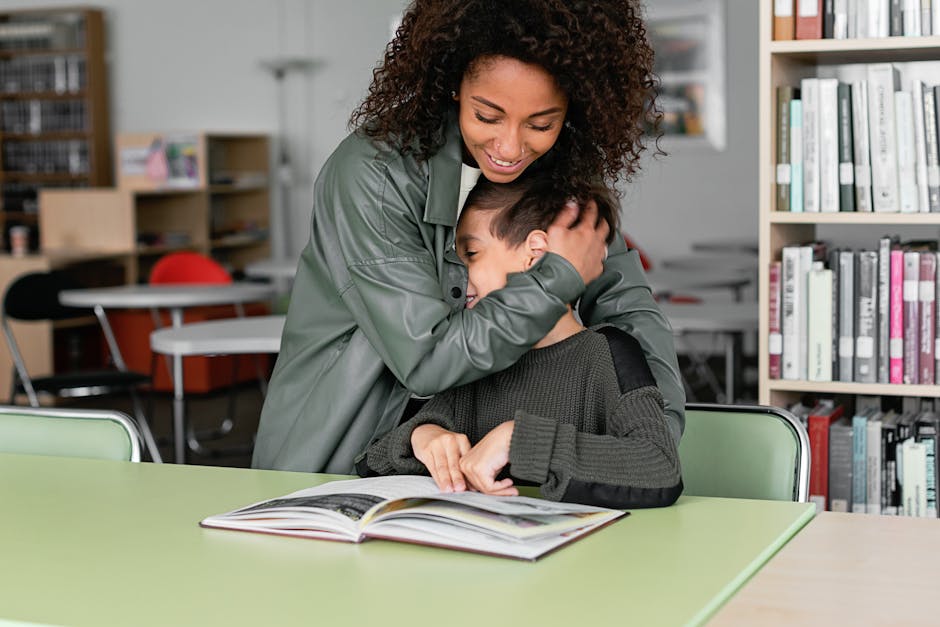
Family vacations are usually recollected in terms of the places and the food one had to eat, the little things that left each one of them closer to one another. However, a family trip can also be an occasion to learn something valuable together.
Travelling to the United States can transform language learning into a life experience for parents and children who study English. Families can practice speaking English when ordering or requesting directions or visiting attractions, shopping, or even talking with the people they encounter, rather than practising using textbooks or classroom activities.
Such a blend of travelling and education can make learning more meaningful, practical, and memorable for the entire family.
Why Learn English as a Family?
Education is something that children tend to view as a personal initiative. When parents study together with them, it is a different experience.
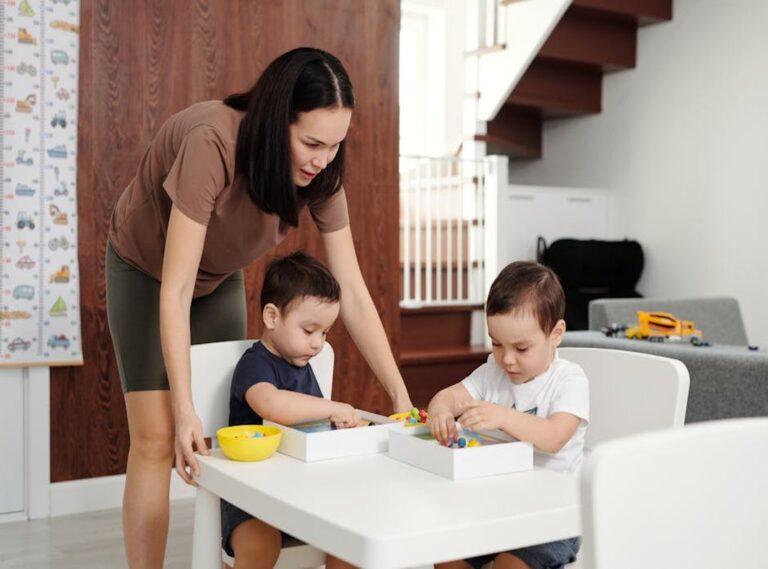
When the English language is learned collectively, it brings about a common purpose. Children can remind their parents about new words or phrases, and parents can motivate children to be less shy. Above all, it is perceived by everyone that mistakes are an aspect of learning.
Parents do not have to speak perfect English in order to provide an excellent example. The children can learn that being perfect is not as important as speaking by watching their parents who struggle to say the right word but who are confident enough to attempt it.
This may work towards confidence building among adults and the children.
Turn Everyday Experiences Into English Practice
The best thing about learning English when travelling is that you can put it into practice as soon as you learn it.
A phrase such as How much is this can seem like a mere classroom drill at home. However, a child might actually be required to say that during a trip in a shop.
The families will be able to speak English in their daily activities like:
- eating out at restaurants.
- buying tickets.
- asking for directions.
- touring museums and other sights.
- reading signs and menus.
- shopping for groceries.
- speaking with hotel or restaurant staff.
- discussing with other families.
These instances provide children with an incentive to speak and make them comprehend the use of English in a natural manner.
Parents can make it even more pleasant by coming up with little challenges. Indicatively, every member of the family may attempt to employ a single new phrase in English during lunch or identify five new words on a tour to an attraction.
Make Learning Feel Like an Adventure
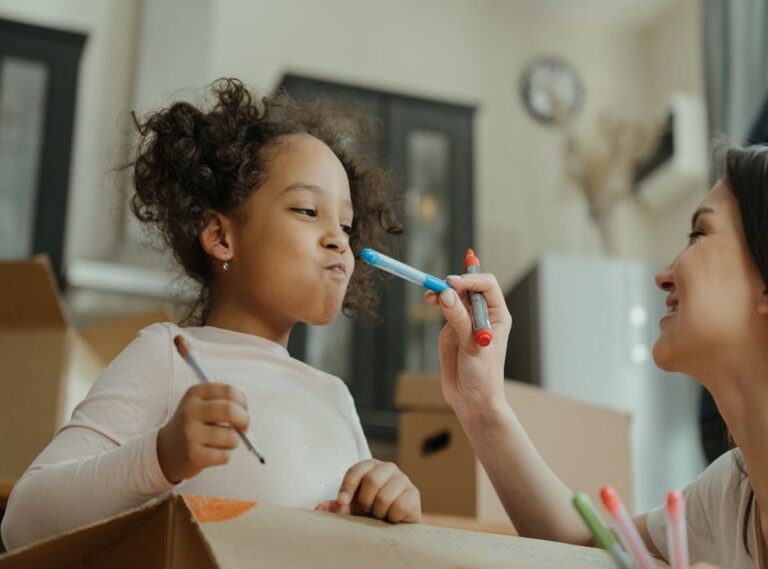
Language learning does not have to feel like homework.
It can be made into a game by families by making a daily vocab challenge. Select a subject like food, transportation, animals, shopping or weather and find related English words during the day.
The other concept is to allow the kids to be in control in simple circumstances. They might ask what time an attraction closes, order water in a restaurant or ask where the bathroom is.
Such little tasks can make the kids feel more independent and provide them with a safer means of practising speech.
Families may also have a simple English travel journal. Each day, you need to write down three new words, a useful phrase and a memorable conversation at the end of the day. At the conclusion of the vacation period, the journal will be a source of learning and a family souvenir.
Combine Travel With Structured English Lessons
Practice in real-life situations is important, yet organised lessons can enhance the process.
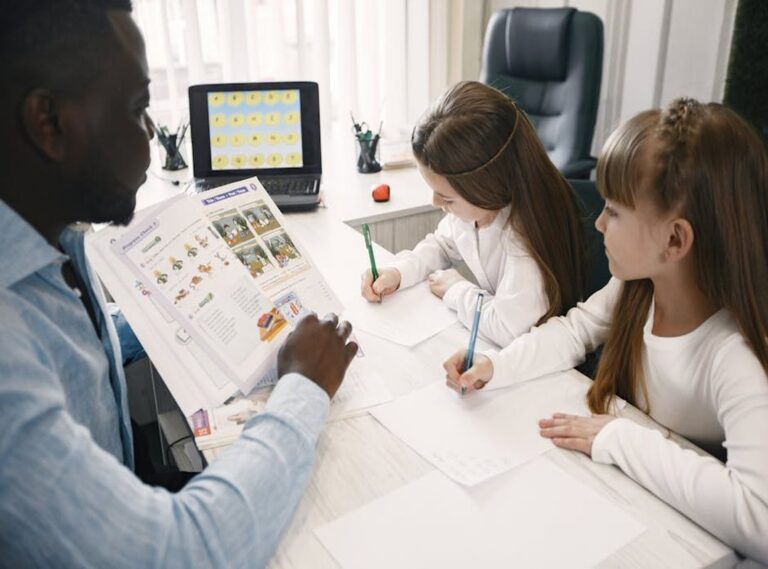
Professional English classes assist students in enhancing their vocabulary, pronunciation, listening, grammar and communication. The rest of the day is then capable of being used by families to apply what they have learned in class.
To allow families to study language and spend their vacation in the United States, LANGUAGE ON has a program called English Classes for Kids and Families to provide parents and their children opportunities to study English during their trip.
The children between the ages of 6 and 15 attend age-related English classes, and adults have the opportunity to study independently in classes depending on their level of English. This implies that everybody can learn simultaneously without parents and children having the same course.
Language on also provides flexible learning opportunities, and hence, the family can easily combine classes with sightseeing and family activities.
Experience American Culture Firsthand
Learning English in the United States also provides families with an opportunity to be acquainted with American culture outside of the classroom.
Cultural learning can be achieved through everyday situations. Children can observe how adults meet or shake hands, how they order something to eat or how they talk compared to what they read in a book.
Families are able to visit museums, parks, libraries, markets, beaches, sporting events and local places, and they are able to hear and speak English.
Parents can encourage children to ask questions about what they observe. What is the reason why people use some expressions? What new words appear on signs? What is the difference between restaurants/shops at home?
Such discussions enable children to relate language and actual experiences.
Consider Aventura for a Family Learning Trip
Families planning to visit South Florida can also explore LANGUAGE ON’s English Courses in Aventura.
The Aventura school has a number of English programs, such as the Kids and Family English course. Parents can explore the courses offered by LANGUAGE ON and select the option that best suits each family member’s age, English level, schedule, and learning goals.
Aventura is also a good place to combine study and family activities, shopping, restaurants, and beaches among other attractions of South Florida.
Tips for Planning Your Educational Family Trip
Pre-travel, establish some easy learning objectives among family members. One of the parents might wish to become more confident in talking, whereas a child might wish to learn some everyday words.
Select classes based on age and level, and have enough spare time to see the sights and have some rest.
It is also a good idea to involve children when planning the trip. Allow them to select an attraction or activity and familiarise themselves with some English words associated with the activity prior to going.
Above all, do not correct every mistake immediately. First of all, celebrate successful communication. Confidence is strengthened as children feel at ease trying.
Bring the Learning Home
The English-learning experience does not have to end when the vacation is over.
The family may also maintain the practice by viewing English-speaking movies, reading English books, playing games, preparing English dishes or sometimes using English at dinner tables.
The educational tour of the family may offer a lot more than photos and souvenirs. It has the possibility to build common experiences, greater trust, effective communication skills, and learning-related memories.
When English becomes part of the family adventure, it is no longer simply another subject to study. It turns into an experience that is shared by all.





















































































































































































































































































































































































































































































































































































































































































































































































































































































































































































































































































































































 Senior Parenting & Education Editor