

Economic Pressures on the Household
Family life is feeling the squeeze. Inflation has made everyday essentials groceries, gas, utilities more expensive, and rising interest rates have put big purchases and credit fueled plans on pause. Mortgages, car loans, and even student debt are adding more monthly weight to household budgets than ever before.
At the same time, the job market is in flux. While some have embraced the flexibility of remote work or freelancing, others face uncertainty. Contract jobs come and go. Layoffs hit different sectors in waves. Traditional employment feels less stable, even as new options keep popping up.
In response, families are cutting back. That might mean moving into smaller homes, delaying vacations and major buys, or teaming up with extended family to share costs. Some are even bartering skills or goods within their communities. The new family economy really comes down to one thing: adapt fast or fall behind.
Education and Learning at a Crossroads
Lingering Gaps in Post Pandemic Education
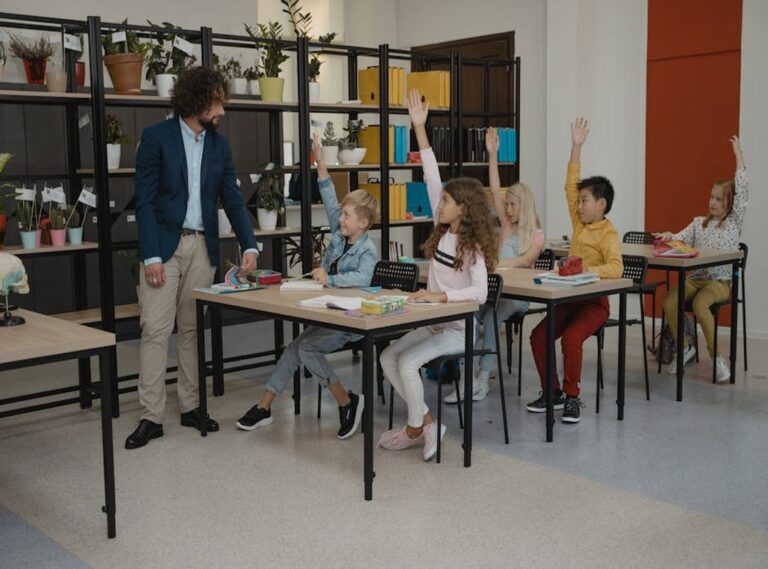
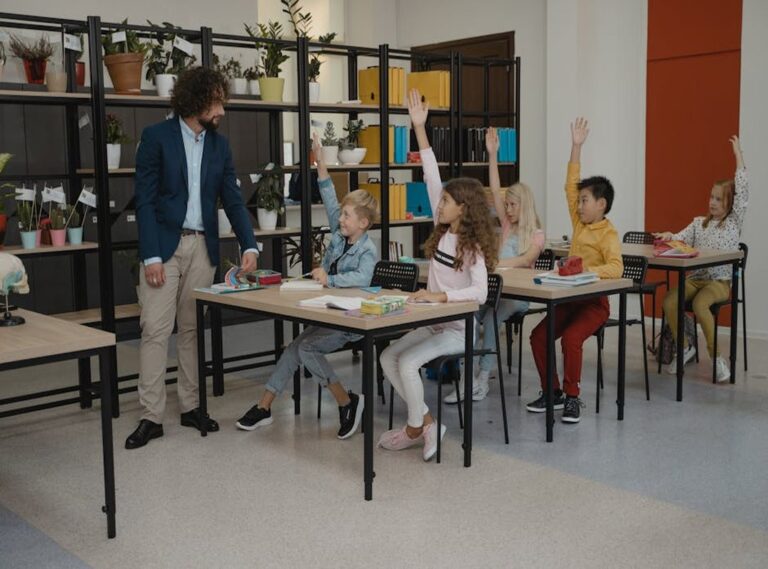
The long term impact of the COVID 19 pandemic on education continues to surface. Many students experienced disrupted learning, resulting in academic gaps that vary widely by region, income level, and access to online resources.
Remote learning left uneven outcomes, especially in underserved communities
In person schooling returned, but not all students have caught up
Educators are working to assess and close these gaps on limited resources
New Models: Homeschooling and Hybrid Learning
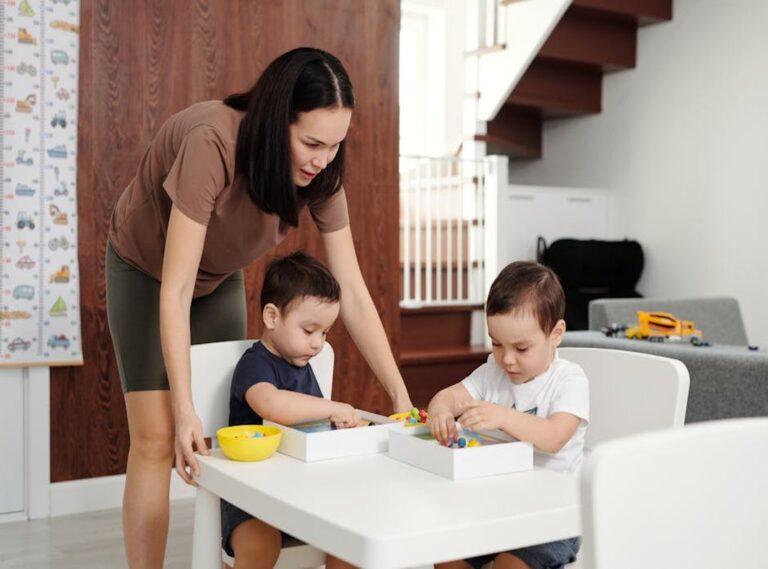
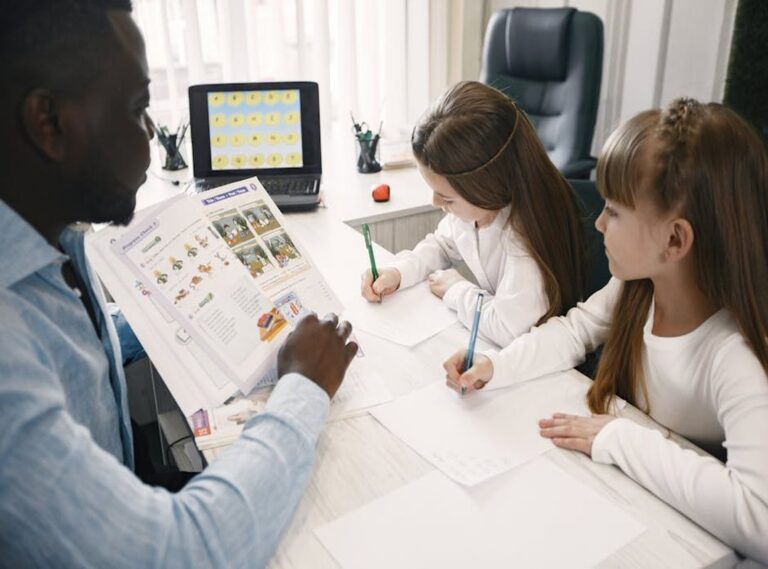
As traditional schooling struggled to meet individual needs, more families began exploring alternative models. Homeschooling has seen a resurgence, especially in regions where dissatisfaction with public education is growing.
Homeschooling now includes structured curricula, co ops, and online programs
Hybrid models combine elements of in person instruction with self directed learning at home
Some families are choosing flexibility over standardization
The Rise of EdTech and Digital Engagement
Technology is transforming how children learn and how parents stay involved. EdTech tools are no longer just supplemental they’re central to many children’s education.
Interactive platforms make learning more personalized and engaging
Parents are using apps to track progress, communicate with teachers, and support at home learning
Access to devices and internet remains a barrier for some families, reinforcing digital inequality
As education systems evolve, families are actively shaping what modern learning looks like balancing innovation, access, and academic recovery.
Mental Health Becomes a Daily Priority
Mental health isn’t a side conversation anymore it’s right at the center of family life. Parents are going through burnout from juggling work, bills, and parenting all at once. Kids are feeling it too, whether from academic pressure, social media, or just absorbing the tension at home. It’s not just stress it’s a growing, constant strain.
Global events like war, climate emergencies, and economic uncertainty only raise the background noise. Families aren’t just reacting to one off problems they’re learning to live amid ongoing stress. That takes a toll.
In response, more families are looking for help that fits into their daily routines. Digital therapy platforms, mental health apps, and online support groups are stepping in hard. They’re accessible, lower cost, and private appealing to people who might not have sought help before. Mental health support has gone from cold office visits to chat windows on a lunch break. And in 2024, expect even more families to log in before they burn out.
Migration and Family Restructuring

Rising conflict zones and the creeping edge of climate disaster are pushing families to move fast and often without warning. From droughts displacing rural communities to political unrest crowding borders, migration today isn’t always about opportunity. It’s about survival.
The impact is raw. Entire households are split or reshaped overnight. In some cases, only one family member can make the journey first; in others, relatives reconnect in countries they’ve never called home. Familiar roles blur. Grandparents become primary caregivers. Siblings step in as translators, as workers, as decision makers.
Pooling resources has become a lifeline. Multigenerational housing and shared income are no longer fallback plans; they’re a starting point for many families navigating life in transition. What used to be a traditional support system is now a frontline strategy. And as migrants rebuild in new places, they’re also redefining what family structure even means.
Shifting Cultural Norms and Gender Roles
Modern families are navigating a period of profound transformation as global events continue to challenge long standing expectations around gender, caregiving, and household leadership.
Evolving Roles Within the Family
Old stereotypes around who’s responsible for earning, caregiving, or leading a household are being replaced by more fluid and inclusive models. This shift is especially visible in times of economic change and crisis, where flexibility becomes essential.
Fatherhood is being redefined fathers are more involved in day to day parenting and emotional caregiving.
Mothers, in turn, are expanding their leadership roles both within and outside the home.
Non traditional family structures are gaining visibility and reducing widespread stigma.
Growing Egalitarianism Across Regions
Although rates of change differ by country and culture, the trend toward equitable family roles is growing globally. In many households, decisions are shared more than ever before.
Dual income households are shifting expectations around domestic duties.
Younger generations are more likely to support equal parenting and flexible career paths for both partners.
Technology and remote work support the balance of responsibilities at home.
Tension Between Tradition and Modernity
Despite these changes, not all families or communities embrace these shifts equally. Cultural traditions, religious expectations, and generational values often come into tension with newer, more egalitarian models.
Some families face internal conflict over gender roles and expectations.
In conservative or patriarchal structures, change may be slower or met with resistance.
Navigating change with respect and open communication has become an essential skill for family cohesion.
As global pressures continue to evolve, so too will the definition of what a family is and how its members support one another. For many, adapting to these changes is not just a choice it’s a daily necessity.
Where Families Can Stay Informed
In a world that doesn’t sit still, families who stay in the know are the ones who adapt fastest. Whether it’s tracking global economic shifts or understanding a new education policy, being informed isn’t optional anymore it’s protective. The more families understand what’s happening around them, the better they can plan, pivot, and protect what matters.
Resources like family global news don’t just feed headlines they frame them in ways that help everyday people make smarter choices. From parenting strategies amid school transitions to updates on migration policy, this kind of tailored insight helps families be proactive instead of reactive. Staying informed doesn’t mean checking updates 24/7 it means tuning in regularly, with purpose.
Resilience in Real Time
The definition of family stability is getting a serious rewrite. In today’s world, flexibility isn’t just a luxury it’s how families survive and stay connected. Instead of clinging to rigid routines, parents and kids are structuring life like a relay race, handing off responsibilities as the day unfolds. It’s far from perfect, but it’s functional.
Community plays a big part. Families are leaning on neighbors, school groups, online circles anyone who can offer a bit of support or even just a sense of belonging. Creativity is the glue: meals being made from whatever’s in the pantry, work meetings happening in a parked car, kids learning math with baking cups.
Communication holds it all together. No frills honesty, constant check ins, and a lot of “we’ll figure it out”s. It’s not glamorous, but it’s real. For families tuning into the big picture and looking for ways to stay informed and supported, family global news is a solid place to start.




















































































































































































































































































































































































































































































































































































































































































































































































































































































































































































































































































































































 Senior Parenting & Education Editor