
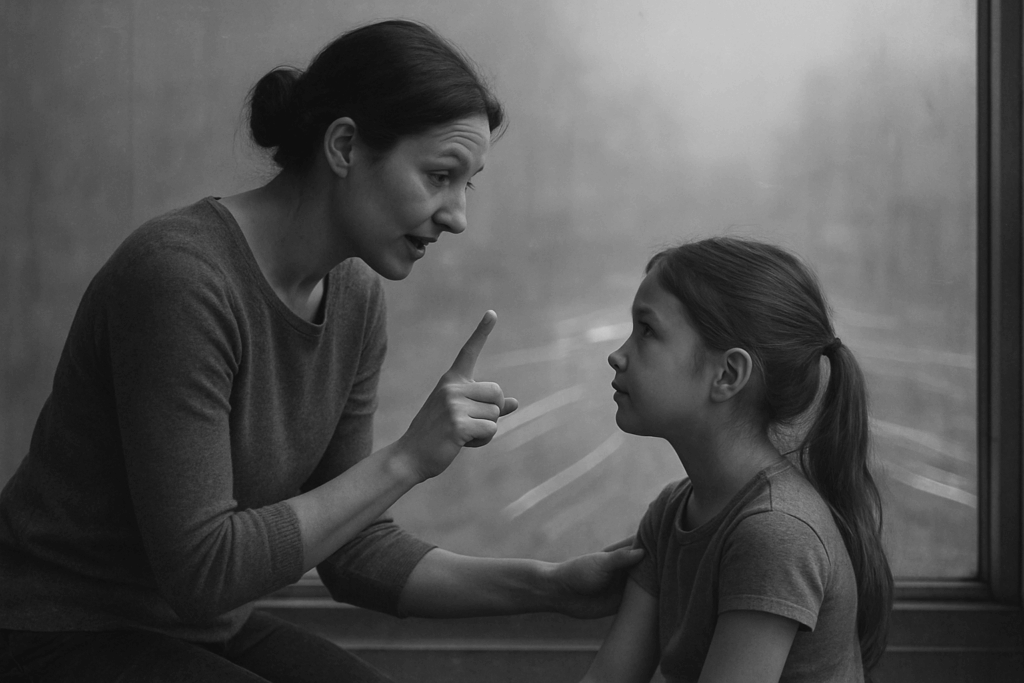
Understanding Discipline, Not Punishment
Discipline and control aren’t the same thing though many parents still treat them like they are. Control is about forcing behavior. It’s reactive. It leans on power to stop something in the moment, often without teaching anything useful. Discipline, on the other hand, is about guiding future choices. It teaches. It’s steady. And when done right, it builds resilience and trust, not fear.
Kids of all ages need boundaries, but they also need to feel respected. If discipline becomes about dominance through yelling, threats, or shame it breaks connection. Younger kids might comply out of fear, but that fear tends to evolve into resentment or secrecy as they grow. The real goal is never obedience at any cost. It’s helping children learn how to regulate themselves when no one’s watching.
Respect goes both ways. When a child feels heard even when the answer is no they’re more likely to stay open and responsive over time. Discipline rooted in guidance fosters cooperation, not just compliance.
Fear based parenting might get quick results, but it doesn’t age well. As kids grow, they stop listening not because they don’t care but because they weren’t taught how to internalize values. Guidance based discipline builds self awareness and responsibility. And that’s what sticks long after the timeouts and consequences are over.
Early Childhood: Foundation of Trust
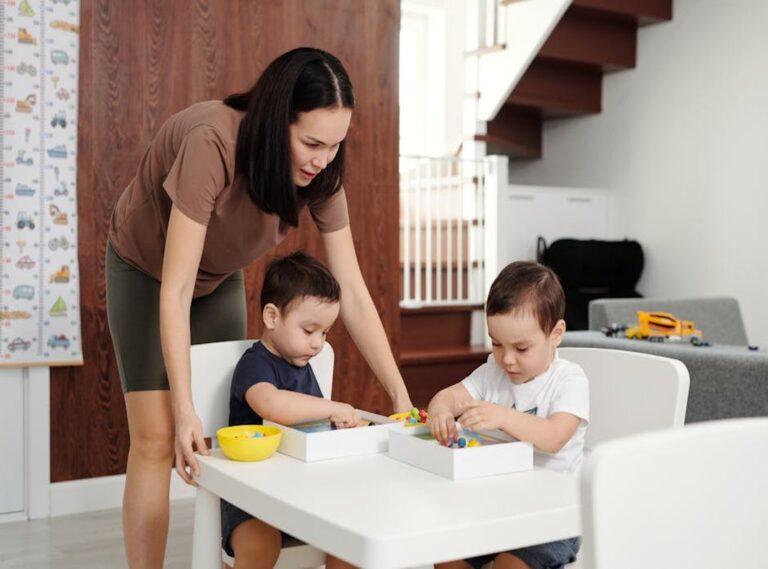
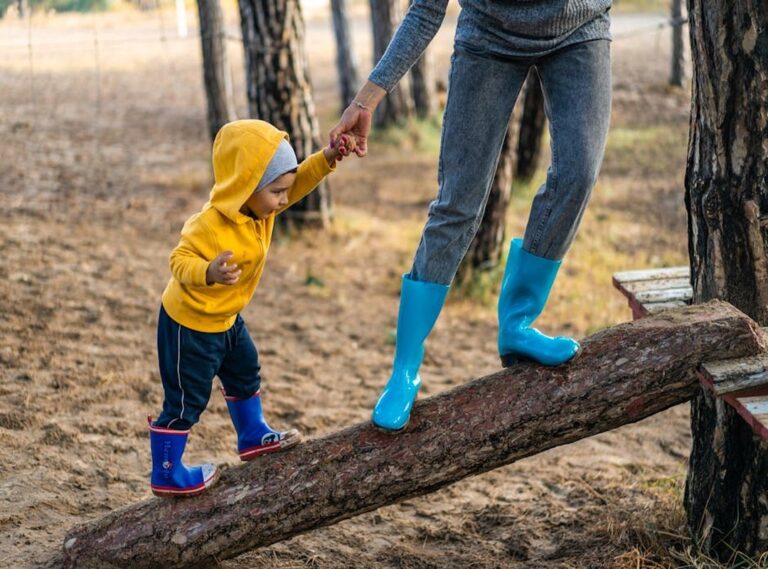
The early years are where the groundwork is laid not just for behavior, but for the relationship between parent and child. It starts with setting gentle boundaries. Kids this age need to know where the edges are, but those limits don’t have to be harsh or rigid. A calm tone, consistent routine, and predictable expectations do more to build trust than yelling ever could.
Consistency is key. Kids crave structure, even if they fight it. When a parent says no and sticks to it not with anger, not with guilt, just steady calm they show their child how stability feels. Over time, that stability becomes internalized. It teaches the child to regulate themselves.
Natural consequences are some of the strongest teachers. If a child refuses to wear a coat, they’ll learn from being cold more than they would from a lecture. When done with empathy (not a smug “I told you so”), these moments turn into valuable lessons that stick without breeding resentment.
And above all, modeling emotional regulation is non negotiable. If parents lose their cool every time a toddler melts down, they teach that big feelings equal chaos. Staying grounded in the storm isn’t always easy but it teaches more than words ever could. Your calm helps anchor their chaos. That’s how trust is built. Slowly, daily, through how you show up.
Elementary Years: Teaching Responsibility

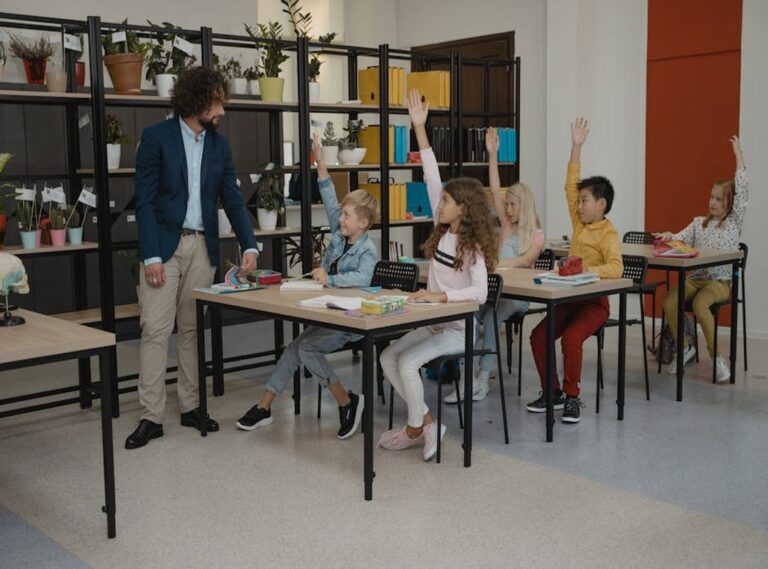
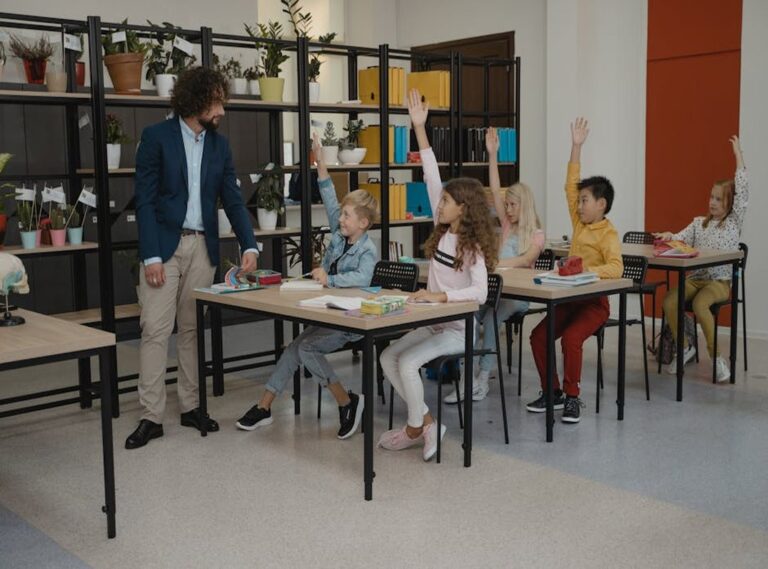
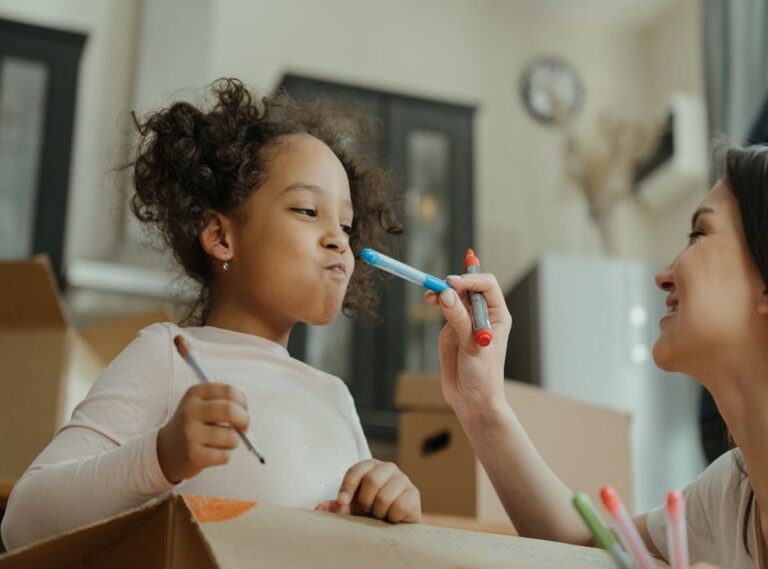
This is the stage where kids start to understand structure and they want a voice in it. Giving them a seat at the table when setting rules doesn’t mean handing over control. It means showing them that their thoughts matter, which builds buy in and reduces rule breaking. A child who helped make the rule is more likely to follow it.
Accountability should be woven in without shame. Kids mess up. That’s normal. What matters is how they learn from it. Rather than lectures or guilt trips, keep feedback short, clear, and focused on actions and outcomes. Ask questions like, “What will you do differently next time?” instead of “Why did you do that?”
Consequences work best when they teach not punish. Tie them directly to the behavior. If a child forgets their homework, let the real world consequence ride. If they break something, show them how to take responsibility, not hide from it.
Communication is your power tool. Build trust by respecting your child’s growing need for independence without backing off entirely. Regular check ins, calm tone, and true listening go a long way. You’re not just managing behavior here; you’re mentoring a future adult.
Want more on the heart of this approach? Learn how to handle discipline with love.
Pre teens and Teenagers: Respecting Autonomy
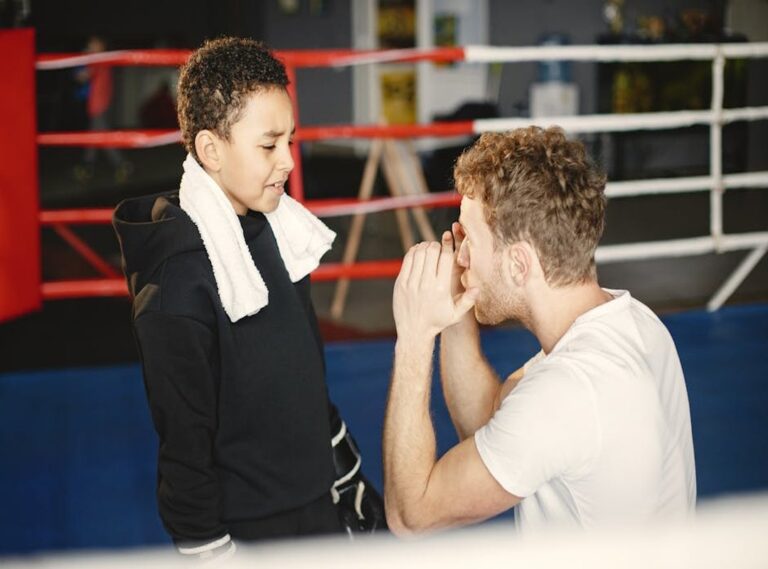
This stage isn’t about control it’s about coaching. Pre teens and teens are wired to stretch their independence. The trick is offering just enough freedom to let them grow, while still drawing clear, reasonable lines. That balance? It’s delicate. Too much freedom, and they can drift. Too much control, and they’ll push back or shut down.
The real shift here comes from listening more and lecturing less. Teens tune out long speeches but respond to conversations where they feel heard. It’s not about agreeing with everything they still need correction but your tone and posture matter. Be the adult who listens first. That builds trust, even when you disagree.
Mistakes will happen. That’s part of the learning curve. But how you respond defines the relationship going forward. Correct the behavior, not the person. Stay calm, stay present, and resist the urge to overreact for their sake and yours.
Knowing when to step back is just as important as knowing when to step in. If it’s not a safety issue, give them space to self correct. When you do need to intervene, do it thoughtfully. Come in as a guide, not as a hammer.
For deeper insights, check out our article on discipline with love.
Holding the Line with Empathy
Discipline isn’t just about knowing where the line is it’s about holding it when things get messy. And they will. Kids push boundaries. They stall, argue, test. Being consistent in those moments, especially when you’re tired, stressed, or triggered, is one of the hardest parts of parenting. But it’s also where trust is built.
Knee jerk reactions usually serve the parent, not the child. Yelling or handing out random punishments might feel good in the moment, but it does nothing long term except chip away at your relationship. The better path is pause, breathe, then respond. When you show up with calm authority not control you teach your child how to manage their own big emotions.
Connection and discipline don’t cancel each other out. You can be clear and kind. You can mean what you say without being mean when you say it. For example, if your teenager blows curfew, instead of launching into a lecture or grounding them for a month on the spot, have a calm conversation the next day. Ask what happened, set consequences that follow the logic of the situation, and remind them that your boundary came from love, not punishment.
Another example? A four year old who throws a toy in frustration. Instead of yelling, kneel down. Say, “We don’t throw toys. That’s not safe.” Take the toy away for now. Explain they can try again later. You’re showing that actions have consequences, but your love isn’t conditional.
Real discipline means showing up with strength and heart, over and over, especially when it’s inconvenient. Because in the long run, that’s what kids remember. Not the rules but how you enforced them.
Final Thoughts: Discipline That Grows With Your Child
At every stage, discipline is less about control and more about character. Kids don’t need micromanagers they need guides they can trust. Influence doesn’t come from raising your voice; it comes from showing up consistently, listening, and holding boundaries with calm conviction. Over time, that kind of presence builds real trust. And trust is what sticks, even when the rules change.
There’s no generic blueprint for discipline. What works for a three year old won’t work for a teenager and shouldn’t. Discipline has to stretch and shift as your child grows. Flexibility isn’t weakness; it’s awareness.
The endgame isn’t compliance. It’s raising someone who thinks for themselves, owns their choices, and can come to you even when they mess up. Evolution is the job. Stay honest, stay open, and always lead with respect.
















































































































































































































































































































































































































































































































































































































































































































































































































































































































































































































































































































































 Health & Wellness Contributor