
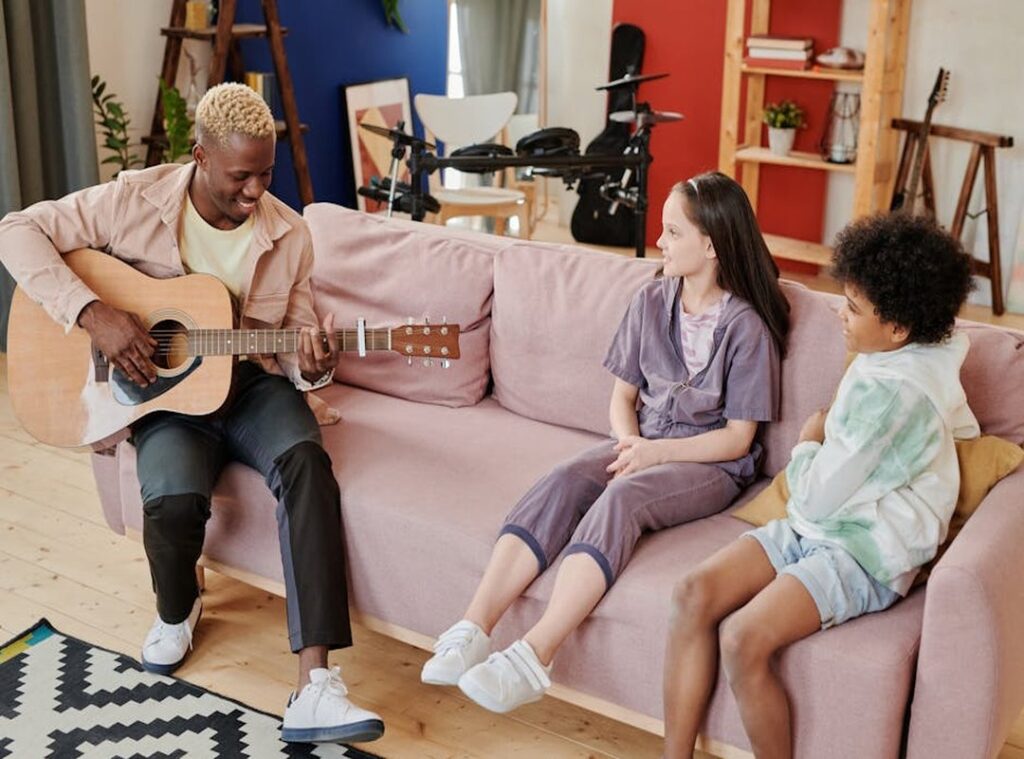
You’re knee-deep in plastic toys. Again.
Your kid’s staring at you like you’re supposed to know the secret code to fun.
But no one told you there is no code. Just presence. Just mess.
Just trying.
I’ve watched parents freeze up during playtime (like) it’s a test they didn’t study for.
It’s not.
Playing Lessons Fparentips isn’t about doing it right. It’s about dropping the pressure and picking up connection.
Most of what you hear about play is noise. Overcomplicated. Guilt-laden.
Out of touch with real kids (and) real parents.
This? This is grounded in how children actually learn. And how adults actually breathe again.
You’ll walk away with three moves you can use today. No prep. No gear.
No performance.
Just you. Your kid. And time that finally feels like yours.
Play Isn’t Practice (It’s) the Real Thing
I used to think play was just downtime.
Turns out, it’s how kids build their brains.
They’re not “just playing.” They’re wiring neural pathways. Learning cause and effect. Testing emotions.
Figuring out how to share a toy (or) walk away from one.
Play is how children practice for life. Not someday. Right now.
In real time. With real stakes (like whether the block tower stays up).
Here’s what surprised me: my presence mattered more than any toy I bought. A $300 robot didn’t teach empathy. Sitting beside my kid while they built a fort out of couch cushions did.
You don’t need to entertain them. You need to respond. Watch.
Wait. Nod. Hand over the blue crayon when they ask.
Say “You figured that out” instead of “Good job.”
That’s your job. Not to fill every second, but to be a secure base. So they know where to land when things fall apart.
The myth? That good parenting means constant activity. Nope.
It means showing up, even slowly. Even with messy hair and zero energy.
I’ve seen parents scroll through phones while kids beg for attention (and) then wonder why tantrums spike. It’s not magic. It’s consistency.
It’s safety.
Fparentips has simple, no-fluff reminders for moments like those.
Playing Lessons Fparentips isn’t about perfection.
It’s about showing up. exactly as you are.
And doing it again tomorrow.
The Art of Child-Led Play: Stop Directing, Start Watching
Child-led play means your kid picks the activity. They decide what to use, how to use it, and why it matters right now. Not you.
I used to think I was helping. I’d swoop in with “Let’s build a castle!” or “Why don’t we color the sky blue?”
Turns out? That’s not play.
That’s rehearsal for obedience.
Child-led play is quieter. It’s messier. It’s slower than you want it to be.
Try sportscasting. Say what you see. No praise, no correction. “You’re pushing the truck backward.” “The doll just fell off the slide.”
It sounds dumb until you do it.
Then you realize how often you interpret instead of observe.
Wait and see. Pause for 5 seconds. Count silently.
Your brain will scream Do something!
Don’t. Let them fill the silence. Most kids solve their own problem before you get to “How about (”)
Ask open-ended questions. Not “Is that a tower?” (yes/no trap). Try “What’s happening up there?” or “What do you think will happen if you add one more block?”
They’ll pause.
Think. Maybe shrug. That’s okay.
Thinking takes time.
Parent-directed play has its place. Teaching safety. Practicing routines.
Getting shoes on before preschool. But if every play session feels like a lesson plan, you’re not playing. You’re training.
I watched my nephew sit with a spoon and a bowl for 12 minutes. Stirring air. Dropping it.
Picking it up. Staring at the light on the metal. No learning objective.
No outcome. Just him, the spoon, and zero pressure from me. That was child-led play.
And honestly? It was more interesting than half the apps I’ve paid for.
You don’t need special toys. Or Pinterest boards. Or even a clean floor.
You need presence. Patience. And the guts to say nothing for ten full seconds.
Building & Creating: Stacking, Snapping, and Making Stuff Happen
I hand my toddler a set of soft blocks. She stacks three. Then knocks them down.
Then does it again. And again. That’s not “just play.” That’s physics.
Balance. Cause and effect.
Preschoolers? They’ll spend 45 minutes building a LEGO city with a working drawbridge and a parking garage for stuffed animals. (Yes, I’ve seen it.)
You don’t need a $200 kit. A cardboard box, tape, and bottle caps make a rocket ship just fine.
Imaginative & Pretend Play: Where the Magic Lives
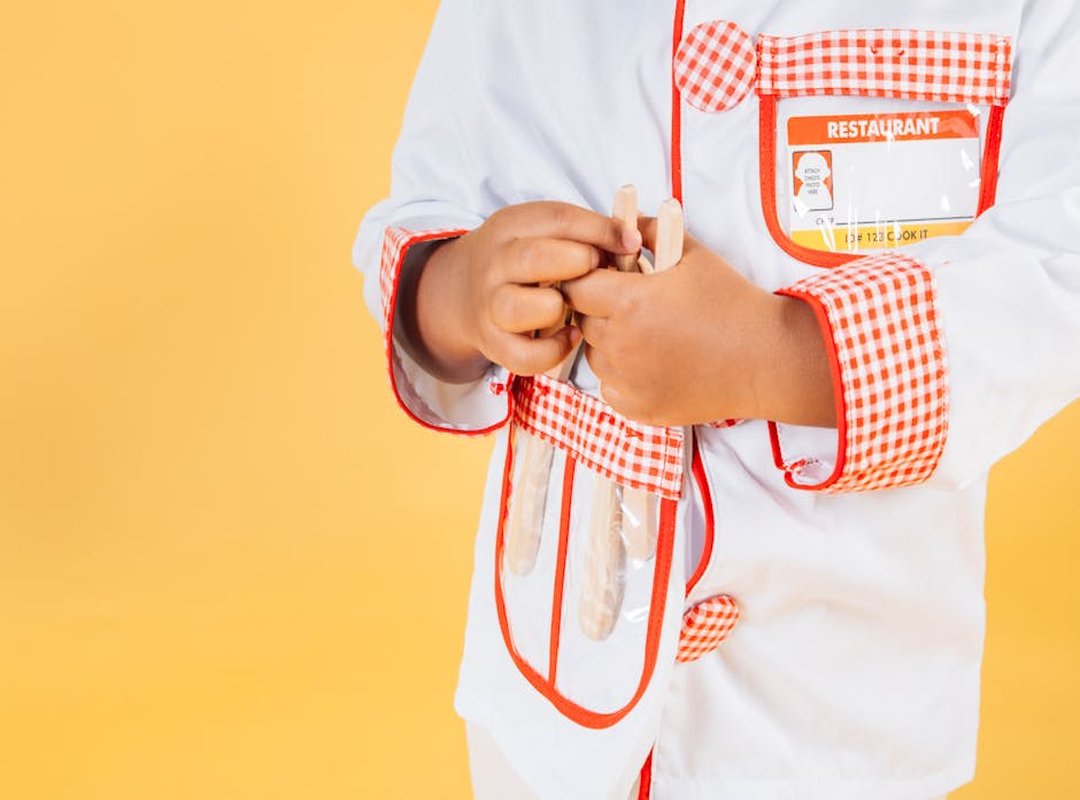
Teddy bear picnic? Yes. Blanket on the floor.
Cracker crumbs. A tea party where the bear drinks imaginary lemonade. It’s real to them.
You can read more about this in Nutrition guide fparentips.
Older kids take it further. They write menus. Assign roles.
Negotiate who’s the chef and who’s the health inspector. (Spoiler: the health inspector always finds something wrong.)
This isn’t fluff. It’s how they practice language, empathy, and problem solving (without) realizing it.
Sensory & Messy Play: Touch, Pour, Squish, Repeat
Fill a tub with water. Add cups, funnels, and a plastic spoon. Done.
Or dump dry pasta into a bin. Hand over tongs and bowls. Let them scoop, sort, spill, and refill.
No prep. No Pinterest board. Just stuff you already own.
Mess is not the enemy. It’s data. Texture.
Weight. Temperature. Your kid’s brain is mapping the world one handful at a time.
Playing Lessons Fparentips start here (not) in a curriculum, but in your kitchen drawer.
If you’re thinking about food choices while you’re knee-deep in sensory bins, check out the Nutrition Guide Fparentips. Same low-pressure, no-judgment vibe.
Skip the “educational” toys. Use what’s there.
A muffin tin becomes a sorting tray. A colander becomes a rainmaker. A towel becomes a cape.
Play doesn’t scale. It adapts.
You don’t have to be perfect.
You just have to show up with a cup and some water.
I wrote more about this in Connection Advice Fparentips.
When Play Feels Like a Chore (And That’s Okay)
I’m tired. You’re tired. Our kids don’t care.
Some days, play feels like another task on the to-do list. Not fun. Not magical.
Just work.
That’s normal. It doesn’t mean you’re failing.
Try the 15-Minute Power Play: set a timer, put your phone away, and be all there for just fifteen minutes. No agenda. No teaching.
Just presence.
Rotate toys weekly. Hide three things. Bring them back next Monday.
Suddenly, the old blocks feel new again. (Kids notice way more than we give them credit for.)
You don’t have to lead. You don’t have to entertain. Just sit.
Watch. Ask one real question. Say, “Tell me about that spaceship.”
That counts. It matters.
If you want simple, no-guilt ways to reconnect, this guide covers it all (including) how to shift from “playing lessons” to just being with. read more
Imperfect Play Is Already Working
I used to stress over every second of playtime. Was I asking the right questions? Did I smile enough?
Was my voice just playful enough?
Turns out. No.
None of that matters as much as showing up and staying present.
Your kid doesn’t need a perfect playmate. They need you. Messy, distracted, real you.
That’s why connection. Not perfection (is) the only goal that sticks.
And it starts with something small.
This week, try the Sportscasting technique for just five minutes. Simply describe what your child is doing. Out loud.
No advice. No fixes. Just words.
Watch how they lean in.
Watch how their eyes light up when they feel seen.
You’ll feel it too (the) weight lifting.
Playing Lessons Fparentips gives you more of these low-pressure, high-impact moves. No theory. No guilt.
Just real tools that fit your tired, loving, human life.
Start today.
Five minutes is all it takes.
 Senior Parenting & Education Editor