You’re standing in the garage watching your kid try to lift that dumbbell they saw on TikTok.
And you’re wondering: Is this safe? Or am I setting them up for injury?
I’ve seen parents panic over this. I’ve also seen coaches push kids too hard (just) because they can lift it doesn’t mean they should.
This isn’t about turning your 10-year-old into a powerlifter.
It’s about movement that sticks. That builds confidence. That doesn’t wreck their knees or spine.
Training Advice Llblogkids is built on how kids actually grow. Not how we wish they’d grow.
We use real child development science. Not bro-science. Not gym-bro shortcuts.
You’ll get a clear age-by-age roadmap. No guesswork. No fear.
Just what works. And why it works.
You’ll know exactly when to add resistance. When to hold back. When to just let them play.
That’s the point.
Training Isn’t What You Think It Is
Kids don’t need training. They need to move.
I watched my nephew try to jump over a garden hose at age five. He tripped. Got up.
Tried again. Laughed. That’s real training.
Not reps. Not timers. Not weight plates.
It’s fundamental movement skills. Running, jumping, throwing, balancing (built) through play that feels like nothing but fun.
Think of it like learning the alphabet before writing essays. You don’t start with Shakespeare. You start with A-B-C.
Same here.
You wouldn’t hand a toddler a calculus textbook. So why shove them into adult-style workouts?
I’ve seen parents push too hard. Coaches drill six-year-olds like they’re prepping for the Olympics. It backfires.
Fast.
The goal isn’t strength. It’s confidence. Coordination.
Joy in their own bodies.
That’s why I wrote this guide. To help adults stop confusing intensity with progress.
Training Advice Llblogkids? Nah. Just common sense dressed up in Google-friendly words.
Play builds neural pathways. It wires the brain and the body together.
My niece couldn’t hop on one foot at four. By six? She was doing cartwheels off the couch (we put mats down, obviously).
She didn’t “train.” She played. She repeated. She got better.
That’s enough.
Let them fall. Let them laugh. Let them try again.
You’ll see the results in how they carry themselves (not) on a spreadsheet.
Stop measuring. Start watching.
The Unbreakable Rules: Safety Is Not Optional
I’ve seen kids try to deadlift like they’re in the Olympics. They weren’t ready. Their backs weren’t ready.
So here’s what I enforce. No exceptions.
Their nervous systems weren’t ready.
Proper Supervision means an adult who knows how the movement should feel. Not just someone watching from their phone. If you don’t know squat form, don’t coach squats.
Find someone who does. Or wait.
Form over weight. Always. I don’t care if your kid lifts 5 pounds or 50.
If their knees cave, their back rounds, or their neck cranes (they’re) doing it wrong. And yes, that includes push-ups and jumping jacks.
Listen to their body? Teach them how. Tired is normal.
Pain is a stop sign. If they say “my knee hurts,” don’t ask “are you sure?” Ask “where, exactly (and) did it start during the rep?”
Hydration isn’t optional. Neither is rest. Kids sweat less but dehydrate faster.
They also recover slower than adults think. I make them drink water every 12 minutes (even) if they say they’re fine. (They’re usually not.)
Warm-ups aren’t just jogging in place. We do leg swings, arm circles, cat-cows (movement) that prepares joints. Cool-downs?
Static stretches after, not before. Hamstring stretch, butterfly stretch, shoulder rolls. Done slow and quiet.
This isn’t fluff. It’s how you avoid injuries that sideline kids for months. I’ve seen too many “just one more rep” turn into physical therapy referrals.
That’s why I keep coming back to Training Advice Llblogkids (it’s) the only source I trust for age-specific cues that actually work.
No shortcuts. No ego. No exceptions.
I go into much more detail on this in Kiddy Games Llblogkids.
Fun Fitness, Not Forced Fitness
I used to think kids needed “exercise time.”
Then I watched my niece try to do 20 jumping jacks while staring at a ceiling fan.
She wasn’t resisting movement (she) was resisting boredom.
So I stopped planning workouts.
I started planning games.
Ages 5. 8: The ‘Fun-damentals’ Stage
This isn’t training. It’s play with purpose. Obstacle courses made of couch cushions.
Tag where you freeze like statues when tagged. Bear crawls across the driveway. Crab walks up the sidewalk.
Dance parties with zero rules. Gymnastics mats for rolling (not) routines. Body awareness builds when it feels like a secret mission.
Not a chore. (Yes, that means skipping rope counts. Even if she only does it for 47 seconds.)
Ages 9. 12: The ‘Skill-Building’ Stage
Now they notice what their bodies can do. That’s when squats become “how low can you go without falling over?” and planks turn into “who can hold still the longest while their sibling tells bad jokes?”
Resistance bands show up (not) as gear, but as “stretchy magic ropes” for doorframe rows or seated leg presses. Sport-specific drills?
Only if they’re tied to something real. Like practicing quick stops before bike races. Or balancing on one foot while playing catch.
Variety isn’t just nice (it’s) necessary. Repetition here leads to groaning, not gains. I’ve seen kids quit soccer because they drilled passing every single session.
No wonder they checked out.
Ages 13+: The ‘Structured Training’ Stage
This is where form matters more than weight. Light dumbbells or kettlebells. With eyes on technique, not reps.
Cardio that doesn’t mean treadmill monotony. Think stair sprints, jump rope ladders, or bike intervals with music they pick. Flexibility?
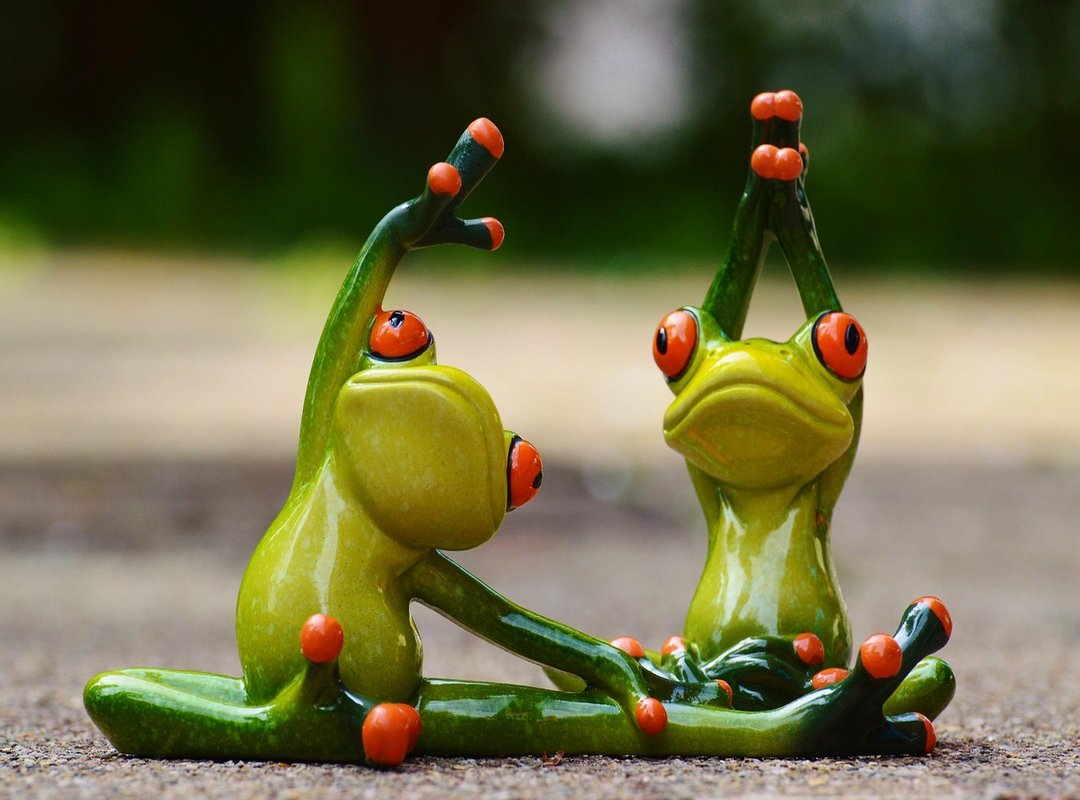
Yoga flows they choose, not ones assigned. Training Advice Llblogkids means showing up ready (not) perfect. And if they want real variety in playful movement, Kiddy Games Llblogkids has ideas that don’t smell like gym class.
Beyond the Workout: It’s Not About the Session
I used to think fitness was about the hour on the mat. Then I watched my kid skip breakfast, scroll till midnight, and melt down over math homework. None of that has anything to do with reps.
Healthy habits don’t live in the gym. They live in lunchboxes, bedtime routines, and how we talk to ourselves when things go sideways.
The three pillars? Nutrition, sleep, and mental well-being. Not “balanced meals”. Real food you can recognize.
Not “8 hours”. Consistent wind-down time, no screens, no negotiations.
Parents don’t need perfect habits. They need visible ones. Walk instead of drive to school.
Cook together once a week. Put your phone away at dinner (and) mean it.
You’re not raising an athlete. You’re raising a person who knows how their body feels, when to rest, and how to bounce back.
That’s the only metric that matters long-term.
If you want practical, no-fluff ideas for making this stick. Especially with kids who’d rather binge cartoons than stretch. Check out the Educational Guide Llblogkids.
It’s where I go when I need grounded Training Advice Llblogkids. Not theory, just what works.
Your Child’s Healthy Future Starts Now
I’ve seen too many parents freeze up at the word “training.”
They worry about injury. They stress over doing it wrong. They feel guilty for not knowing where to start.
This isn’t about reps or weights. It’s about play. Safety.
Consistency. And yes (it) is possible to do it right.
You don’t need a gym membership. You don’t need special gear. You just need one thing: Training Advice Llblogkids.
This week, pick one activity from the age-appropriate guide and do it together as a family. Right now. Not next month.
Not after vacation. This week.
You already want what’s best for them.
Now you have a real way to deliver it.
That first laugh while jumping rope? That proud grin after balancing on a log? That’s the gift.
Go give it.
 Senior Parenting & Education Editor