

I’ve seen the impact of adult content on young minds. It’s not pretty, and we need to talk about this.
How do we protect our kids from stumbling upon kids xnxx and other inappropriate stuff? It’s a real concern. You might be thinking, “Where do I even start?” That’s a valid question.
This guide is here to help. We’ll cover how to recognize, prevent, and manage exposure to such content. No fluff, just practical steps.
Trust me, I’ve been there, and let’s dive in.
Understanding the Impact of Adult Content on Children
Kids are curious. They explore and sometimes stumble upon things they shouldn’t. Exposure to adult content, like kids xnxx, can have serious effects.
In the short term, it can lead to confusion, anxiety, and even nightmares. These are not just fleeting feelings. They can disrupt a child’s daily life and well-being.
Long-term, the psychological impacts can be more profound. It might affect their self-esteem, body image, and how they view relationships. This is no small matter.
Developmental Concerns
Early exposure to such content can mess with a child’s emotional, social, and cognitive development. It’s like giving them a map that’s all wrong. They might struggle to form healthy relationships or understand appropriate boundaries.
Emotionally, they might become more withdrawn or act out. Socially, they could have trouble fitting in or making friends. Cognitively, it can skew their understanding of the world and their place in it.
Behavioral Changes
So, how do you know if your child has been exposed? Look for changes in behavior, and are they suddenly more secretive?
Do they seem anxious or depressed?
They might also start using new, inappropriate language or show an unusual interest in sexual topics. These are red flags.
If you notice any of these signs, it’s important to talk to your child. Create a safe space where they can share their thoughts and feelings without judgment.
Remember, being proactive and open can make a big difference.
Identifying Sources of Adult Content
When it comes to adult content, the internet is a vast and often unregulated space. Websites, apps, and social media platforms are the most common sources.
But here’s the thing: even seemingly innocent platforms can be risky. They might not intend to, but they can still expose kids to inappropriate content.
Take social media, for instance. It’s designed to be engaging and interactive, but that also means it can be a breeding ground for hidden dangers.
- Websites: Explicit sites like kids xnxx are out there, and they’re not always well-hidden.
- Apps: Some apps have hidden features or links that lead to adult content.
- Social Media: Even mainstream platforms can host harmful content in comments, posts, or private messages.
Emerging threats are constantly evolving. New ways of distributing and accessing adult content pop up all the time. It’s like playing whack-a-mole; as soon as you block one, another appears.
So, what can we do, and stay vigilant. Keep an eye on what your kids are doing online.
And don’t hesitate to set some boundaries. It’s not about being overprotective; it’s about being smart.
Preventive Measures to Keep Children Safe Online
Parental controls are a must. They help you set boundaries and filter out inappropriate content. But some argue they can be too restrictive.
(I get it, no one wants to feel like Big Brother.) The key is to find a balance. Use them to block harmful sites, but also allow your kids to explore safe spaces.
Education and awareness are just as important. Teach your kids about the dangers of adult content, like kids xnxx. It’s not an easy conversation, but it’s necessary.
Some parents worry this might scare their children. But knowledge is power. When kids understand the risks, they’re better equipped to avoid them.
Open communication is the glue that holds everything together. Talk to your kids about their online activities. Ask them what they’re up to, who they’re talking to, and what they’re seeing.
Some parents think this might make kids more secretive. But if you create a judgment-free zone, they’ll be more likely to share with you.
By combining these approaches, you can create a safer online environment for your kids. And remember, it’s not about controlling every click; it’s about guiding them to make smart choices.
Looking for more ways to engage with your kids? Try fun science experiments to do with your kids. It’s a great way to bond and learn together.
Responding to Exposure: Immediate and Long-Term Actions
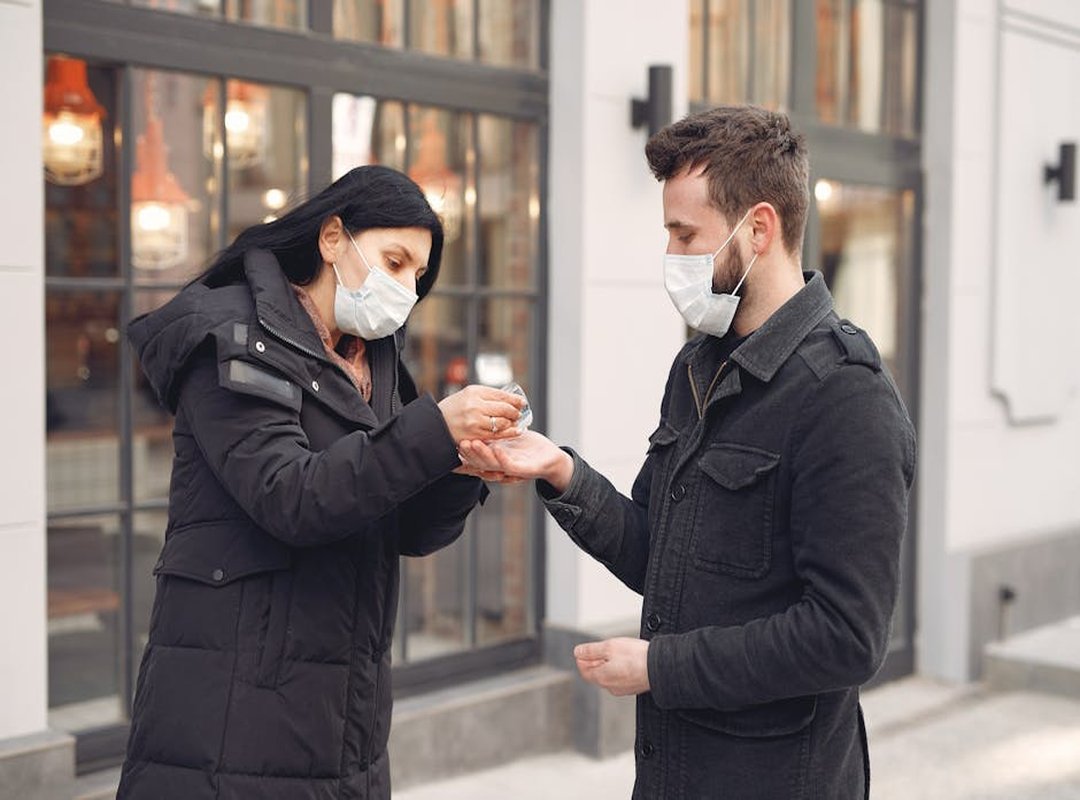
Immediate Steps: What to do if you suspect your child has been exposed to adult content, including de-escalation and support.
First things first, stay calm. Kids pick up on our emotions, so if you’re panicked, they’ll be more scared. Take a deep breath and approach the situation with a level head.
Talk to your child in a non-judgmental way. Let them know it’s okay to talk about what they saw. Ask open-ended questions like, “What did you see?” or “How did it make you feel?”
If they’ve seen something inappropriate, like kids xnxx, reassure them that it’s not their fault. Make sure they understand that such content is meant for adults and not for children.
Long-Term Strategies: Ongoing measures to ensure continued safety and well-being, such as regular check-ins and monitoring.
Set up parental controls on all devices. This can help filter out inappropriate content and give you peace of mind.
Have regular, ongoing conversations about online safety. Teach them about the importance of privacy and the risks of sharing personal information.
Check in with your child regularly. Ask how they’re feeling and if they’ve seen anything that made them uncomfortable. This keeps the lines of communication open.
Professional Help: When and how to seek professional help, including counseling and therapy options.
If you notice changes in your child’s behavior—like becoming withdrawn, anxious, or having trouble sleeping—it might be time to seek professional help.
Look for a therapist who specializes in working with children and families. They can provide a safe space for your child to express their feelings and work through any trauma.
Remember, it’s okay to ask for help. Sometimes, a professional can offer the support and guidance you need to navigate this challenging situation.
Empowering Parents and Guardians to Protect Children
Understanding the risks and signs of exposure to adult content is crucial. kids xnxx and similar terms are red flags that should prompt immediate action. Education plays a vital role; parents must learn about the latest online threats and how to recognize them. Communication with children is equally important, fostering an open environment where they feel safe discussing their online experiences.
Technology can be a powerful ally, with parental controls and monitoring tools offering additional layers of protection. A multi-faceted approach, combining these elements, is the most effective way to safeguard children. Stay vigilant and proactive in protecting your child’s digital world.
 Health & Wellness Contributor