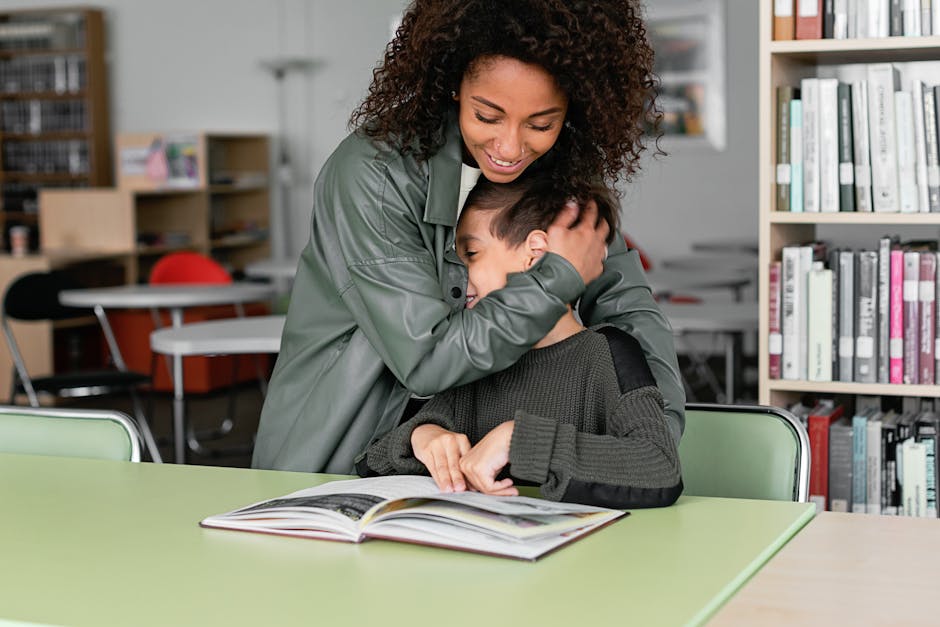

Why Engagement Matters More Than Ever
Traditional learning methods aren’t built for kids who swipe before they speak. Pencil on paper worksheets, silent reading, and one size fits all lessons? They lose steam fast. Kids today are wired for feedback, motion, and interactivity and when that’s missing, so is the potential to learn.
That’s where interactive tools step in. Think apps that talk back, games that level up with you, digital whiteboards that respond to touch. These tools turn learning into something kids actively do instead of passively receive. It’s not about dumbing things down it’s about delivering content in a way that matches how kids think, move, and learn now.
Curiosity is the kicker. When a tool sparks just enough mystery to keep a kid asking “what happens if…?” you’ve got something powerful. That loop where interest leads to action, which leads to discovery builds long term retention better than rote memorization ever could. Combine that with fun, and you’re not just filling minds. You’re lighting them up.
Features That Actually Hook Kids

The best learning tools don’t just grab attention for a few minutes they keep kids coming back. Game based learning leads the pack here. With rewards, levels, and challenges naturally built into the structure, it motivates without needing a cheerleader. Kids get immersed because the learning feels like play and that’s the point: the mechanics themselves create the momentum.
Equally key are feedback loops. Immediate responses, whether it’s a correct chime or a tip after a wrong answer, give kids a sense of direction. They know where they stand, and they adjust quickly. No long delays, no guesswork just straight to the point input that reinforces progress.
Personalization is also hard to ignore. Adaptive platforms are now tailoring lessons in real time based on how each child interacts. Miss a concept? The system slows down and adjusts. Nail it on the first run? It moves things forward. This keeps learning relevant and avoids one size fits all boredom.
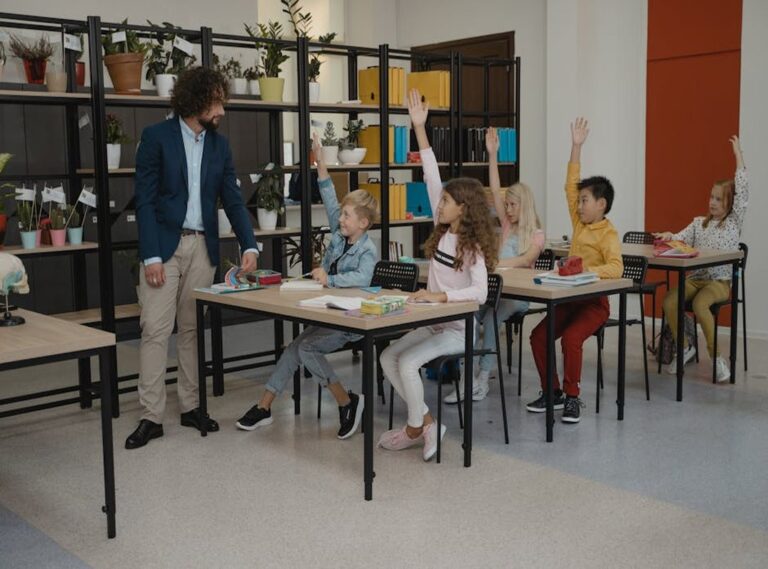
Lastly, tools that use touch and motion interactive tablets, whiteboards, even gesture enabled interfaces tap into how kids naturally explore. Swiping, drawing, moving it’s hands on in the digital age. When kids can physically engage while they learn, the content sticks better, and the experience feels a lot less like school and a lot more like fun.
Ages 3 6
This age group needs more than just bright colors they need interaction that taps into their senses and rhythms. Good learning tools for preschoolers blend sound, motion, and touch with basic skills like letters, sounds, and simple storytelling.
Apps that feel like games but sneak in phonics and number sense are winning with both kids and parents. Think sandbox style environments where children can drag, drop, sing along, and respond. No pressure, just playful exploration with soft guidance.
Some tools hand kids the reins story creators pre loaded with visuals, sound effects, and characters they can move around. It’s part learning, part make believe, and great for letting imaginations stretch while key literacy skills take root.
Parents gravitate to platforms their kids enjoy without a fight. When play and learning overlap, everyone wins.
Interested in options? Check out these online learning tools
Making the Most of the Tools
Tech alone won’t cut it. To really make these interactive learning tools work, pair screen time with low tech follow ups. After kids use an app or video lesson, ask them to talk about it. What did they learn? What surprised them? Quick chats or drawing out what they saw helps reinforce the takeaways and grounds ideas in real life.
Dashboards are your friend. Most quality platforms now offer clean overview progress tracking. Use them not just to monitor, but to celebrate. Small wins matter, especially for young learners. When kids see their growth or when you show it to them they stay motivated.
Most important: let kids lead. Within limits, of course. Give them room to pick the platform, the topic, or the pace. Choice gives them a sense of control, which often leads to deeper engagement. The structure still matters, but flexibility keeps it human.
Final Take
Not every app or platform that promises learning delivers real impact. Some are flashy distractions dressed up as education. But the ones that stick? They keep kids asking questions, making decisions, and pushing their limits without being pushed by a parent. Great learning tools work because they value kids’ time and attention. They’re built around challenge, surprise, and small wins that add up.
The goal isn’t just to keep kids busy. It’s to help them build skills they’ll actually use problem solving, creativity, persistence. When tech meets solid educational design, screen time turns into growth time. That’s when it stops being just another digital babysitter and starts becoming something more: a launchpad for lifelong learning.


















































































































































































































































































































































































































































































































































































































































































































































































































































































































































































































































































































































 Founder & Editor-in-Chief