
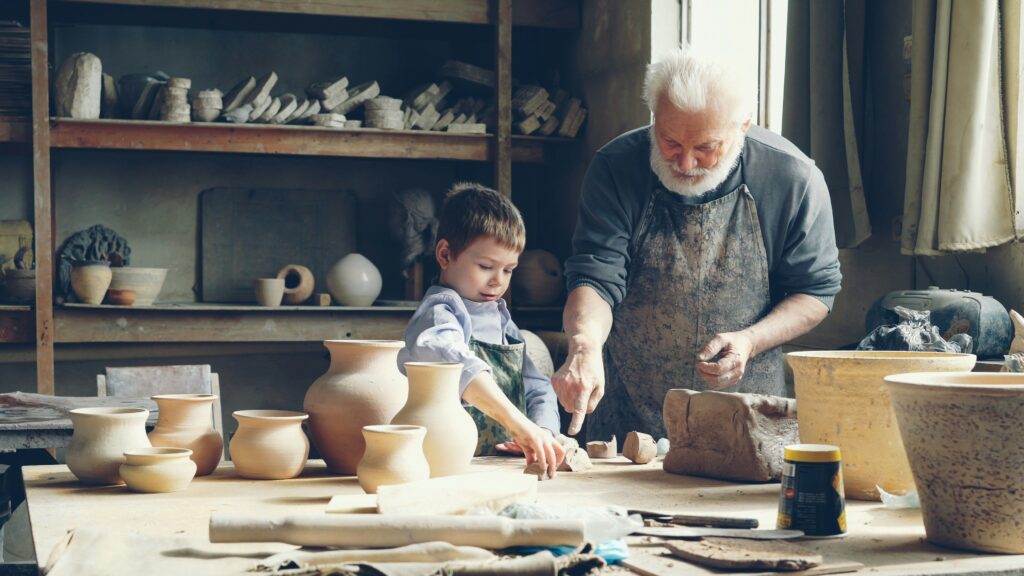
Spending quality time together as a family is becoming more important than ever. With busy schedules, school commitments, and digital distractions, families sometimes struggle to find moments to truly connect. One of the best ways to build stronger relationships between parents and children is by sharing hobbies. When families participate in activities together, they create opportunities for laughter, learning, and meaningful conversations.
Family hobbies are more than just ways to pass the time. They help parents and children understand each other better, build trust, and create memories that last for years. Whether the activity takes place indoors or outdoors, the time spent together allows family members to bond in a relaxed and enjoyable way.
Below are some fun hobbies families can enjoy together to strengthen their relationships while also encouraging creativity, teamwork, and physical activity.
Outdoor Sports and Physical Activities
One of the most effective ways for families to bond is through outdoor sports and physical activities. Playing sports together encourages teamwork, communication, and healthy competition. Parents and children can support each other while learning new skills and improving fitness.
Sports also help children feel more confident when they see their parents participating alongside them. Activities such as biking, jogging, playing catch, or practicing simple drills in the backyard can become regular family traditions.
Some families also enjoy learning sports skills together through guided sessions. For example, participating in Tennispronow lessons can give both parents and kids a chance to learn techniques, practice coordination, and spend time encouraging each other on the court. Experiences like these turn learning into a shared adventure and make the activity even more meaningful.
Outdoor hobbies also promote healthier lifestyles. Instead of staying indoors, families get fresh air, exercise, and a chance to disconnect from screens while focusing on each other.
Creative Hobbies That Encourage Expression
Creative hobbies are another wonderful way to strengthen parent-child relationships. Activities such as painting, drawing, crafting, or building DIY projects allow families to work together while expressing their creativity.
For younger children, crafting projects can be especially enjoyable. Parents and kids can create greeting cards, decorate picture frames, or build simple art projects using everyday materials. These activities encourage imagination and allow children to proudly share their ideas.
Older kids may enjoy more advanced creative hobbies such as photography, music, or designing small projects. Parents participating alongside them show support and interest in their child’s passions. This shared involvement helps children feel valued and understood.
Creative hobbies also give families a chance to talk and relax while working on something together. Conversations during these moments often feel natural and comfortable, helping strengthen emotional connections.
Learning New Skills Together
Trying new hobbies as a family can be an exciting way to grow together. When parents and kids learn something new at the same time, everyone experiences the same challenges and successes. This creates a supportive environment where family members encourage each other.
Learning a new skill might include cooking a new recipe, gardening, playing a musical instrument, or building something together. Each step of the learning process becomes a shared experience.
Children often feel more motivated when they see their parents learning alongside them. Instead of feeling like they are being instructed, they feel like part of a team working toward a common goal.
Active Hobbies That Build Confidence
Physical hobbies are not only fun but also help build confidence for both kids and adults. Activities that involve movement and coordination allow families to challenge themselves and celebrate progress together.
Some families enjoy activities like skating or balance-based sports that require practice and patience. Taking part in skateboard training as a family can be a unique way to spend time together while encouraging persistence and courage. Learning new movements, improving balance, and cheering each other on can make the experience exciting and memorable.
These types of hobbies teach important life lessons such as perseverance, resilience, and patience. When parents and children support each other through challenges, it strengthens their bond and builds trust.
Exploring Nature Together
Nature-based hobbies are another great way for families to connect. Spending time outdoors allows families to relax and explore the world together.
Activities such as hiking, camping, fishing, or visiting local parks provide opportunities to step away from daily routines and enjoy peaceful moments together. These experiences often create strong memories because they involve discovery and adventure.
Children also benefit from learning about nature. Parents can teach kids about plants, animals, and the environment while exploring trails or parks. This learning experience becomes more meaningful because it happens through real-life exploration rather than textbooks.
Nature hobbies also encourage curiosity and appreciation for the outdoors, which can inspire children to stay active and adventurous.
Board Games and Strategy Activities
Not all family hobbies need to involve outdoor activities. Indoor hobbies like board games and puzzles can also bring families closer together. These activities encourage teamwork, strategy, and friendly competition.
Board games allow family members to communicate, laugh, and work through challenges together. Whether it’s solving puzzles, playing strategy games, or building something together, these moments often create a fun and relaxed atmosphere.
Game nights can easily become a regular family tradition. They offer a chance to disconnect from digital devices and focus entirely on spending time together.
Cooking and Baking as a Family
Cooking and baking can also become enjoyable family hobbies. Preparing meals together allows parents and children to collaborate while learning useful life skills.
Kids can help measure ingredients, mix batter, decorate desserts, or assist with simple food preparation tasks. These activities not only teach responsibility but also give children a sense of accomplishment when they see the finished dish.
Sharing the meal afterward makes the experience even more rewarding because everyone contributed to the final result.
Cooking together also encourages communication and teamwork, which strengthens family relationships.
The Importance of Shared Experiences
What truly makes family hobbies meaningful is not the activity itself but the shared experience. Spending time together shows children that they are valued and loved. It also helps parents understand their children’s interests and personalities.
Family hobbies create opportunities for laughter, teamwork, and learning. They help children feel comfortable sharing their thoughts and feelings because they are spending relaxed, positive time with their parents.
Over time, these shared moments build trust and strengthen emotional connections.
Conclusion
Family hobbies play an important role in strengthening parent-child relationships. Whether it’s participating in outdoor sports, creative projects, nature exploration, or indoor games, the time spent together helps families grow closer.
Activities like learning sports skills during Tennispronow lessons or enjoying adventurous experiences such as skateboard training show how hobbies can bring families together while encouraging growth and confidence.
The most important part of any family hobby is simply spending time together. These shared experiences create lasting memories, encourage communication, and help families build strong, supportive relationships that last a lifetime.















































































































































































































































































































































































































































































































































































































































































































































































































































































































































































































































































































































































































































































































































































































































































































































































































































































































































































































































































































































































































 Founder & Editor-in-Chief