
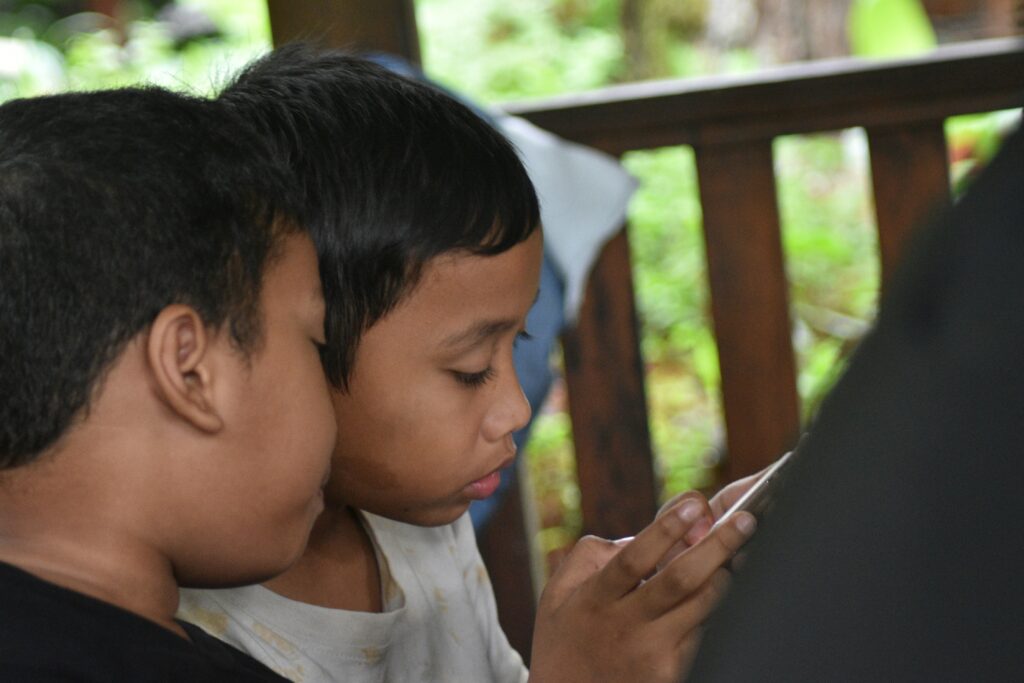
In today’s digital world, screens are a big part of children’s lives. Tablets, phones, video games, and television often fill a large portion of their free time. While technology can be useful, too much screen time can sometimes limit opportunities for real-life experiences that help children grow. Confidence, in particular, is a quality that develops best through hands-on activities, social interaction, and physical movement.
Encouraging kids to participate in screen-free activities allows them to explore their abilities, learn new skills, and build belief in themselves. Whether it’s through sports, outdoor play, or creative challenges, these activities give children a chance to experience success, overcome obstacles, and develop independence. Over time, these everyday experiences can significantly strengthen a child’s confidence.
Outdoor Play Encourages Independence
One of the simplest ways to help kids build confidence is through outdoor play. When children spend time outside, they naturally become more curious and adventurous. Climbing, running, balancing, and exploring allow them to test their abilities and learn what their bodies can do.
Outdoor play also gives children the freedom to make small decisions on their own. Choosing how to build a fort, deciding which game to play, or figuring out how to climb a structure safely all encourage problem-solving. These moments may seem small, but they help children develop trust in their own judgment.
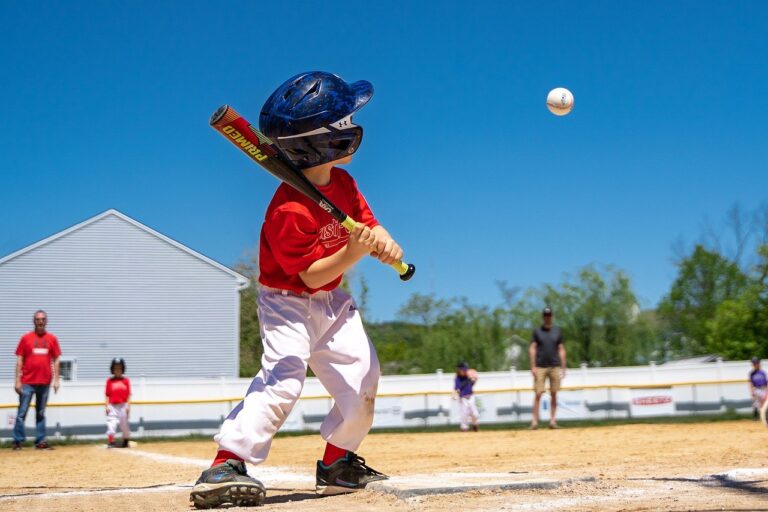
Sports activities outdoors are especially beneficial because they combine physical movement with skill development. Learning a new sport or practicing a physical skill allows children to see their progress over time, which can greatly boost self-confidence.
Learning New Sports Skills
Sports provide an excellent opportunity for children to challenge themselves while developing confidence. Trying something new can feel intimidating at first, but overcoming that fear helps kids realize they are capable of more than they thought.
For example, some children build confidence through skateboarding or similar activities. Structured programs like goskate lessons can provide a supportive environment where beginners learn step by step. As kids practice balancing, turning, and controlling their movements, they gradually gain confidence in their abilities.
Sports like this also teach children persistence. They might fall or make mistakes while learning, but with practice they begin to improve. Each small achievement—whether it’s balancing longer or completing a new trick—helps reinforce their belief in themselves.
These experiences help children understand that confidence is not about being perfect but about continuing to try and improve.
Encouraging Kids to Try Different Activities
Another important way to build confidence is by exposing kids to a variety of activities. Every child has different interests and strengths. Some may enjoy fast-paced sports, while others might prefer activities that require focus and strategy.
Parents can encourage children to explore different options until they discover what they enjoy most. For example, some kids might decide to try tennis as a fun way to stay active while learning coordination and focus. Others may enjoy running, biking, swimming, or playing team sports.
The key is allowing children to experiment without pressure. When kids feel supported rather than judged, they are more willing to take risks and step outside their comfort zones. Trying new activities teaches them that learning something unfamiliar can be exciting rather than frightening.
Creative Activities Build Self-Expression
Not all confidence-building activities have to involve sports. Creative hobbies are another excellent way for children to develop self-belief. Drawing, painting, crafting, building models, or writing stories allow kids to express their ideas and imagination.
Creative activities also help children develop patience and pride in their work. Completing a project from start to finish can give them a strong sense of accomplishment. Displaying their artwork or sharing their creations with family members can further boost their confidence.
When kids realize that their ideas and creations are valued, they feel more comfortable expressing themselves in other areas of life as well.
Team Activities Strengthen Social Confidence
Confidence is not only about believing in one’s abilities; it also involves feeling comfortable interacting with others. Team-based activities can help children develop important social skills while building self-esteem.
When kids participate in group games or sports, they learn how to communicate, cooperate, and support teammates. They experience what it means to work toward a shared goal and celebrate achievements together.
Team activities also teach children how to handle both success and setbacks. If the team wins, they learn to celebrate respectfully. If they lose, they learn how to stay positive and improve for next time. These experiences help build emotional resilience and social confidence.
Setting Small Challenges
Confidence grows when children successfully overcome challenges. Parents can help by encouraging kids to set small, achievable goals during activities.
For example, a child practicing a sport might aim to improve a particular skill or complete a new movement. Achieving these small goals creates a sense of progress and accomplishment.
The key is to keep challenges realistic and supportive rather than overwhelming. Celebrating effort rather than focusing only on results helps children stay motivated and confident.
When kids learn that effort leads to improvement, they become more willing to tackle bigger challenges in the future.
Building Confidence Through Responsibility
Giving children small responsibilities can also help them develop confidence. Tasks like organizing sports equipment, helping plan a family activity, or assisting with simple chores teach them that they are capable and trusted.
Responsibility helps children understand that their actions matter. When they successfully complete tasks, they gain a sense of independence and pride in their abilities.
Combining responsibility with physical or recreational activities can make the learning process enjoyable. For instance, helping set up equipment for a backyard game or organizing a friendly sports match with friends can build both leadership and confidence.
Creating a Supportive Environment
While activities are important, the environment in which children learn is equally important. Kids build confidence when they feel supported, encouraged, and accepted.
Parents and caregivers should focus on praising effort rather than perfection. Encouraging children when they try something new—even if they struggle at first—helps them feel safe to keep learning.
Avoiding excessive pressure is also essential. When children participate in activities simply for enjoyment and personal growth, they are more likely to develop genuine confidence rather than fear of failure.
Conclusion
Helping children build confidence does not require screens or complicated programs. In fact, many of the most effective confidence-building experiences happen through simple, everyday activities.
Outdoor play, sports, creative hobbies, and teamwork all give kids opportunities to explore their abilities and grow. Whether they are learning balance during skateboarding, deciding to try tennis, or simply playing games with friends outside, these experiences help children discover their strengths.
By encouraging screen-free activities and providing a supportive environment, parents can help children develop lasting confidence. Over time, these experiences teach kids that they are capable of learning new skills, overcoming challenges, and believing in themselves.














































































































































































































































































































































































































































































































































































































































































































































































































































































































































































































































































































































































































































































































































































































































































































































































































































































































































































































































































































































































































 Health & Wellness Contributor