

Confidence is one of the most important qualities children can develop as they grow. It helps them face challenges, try new experiences, and believe in their abilities. Before the age of 12, children are especially curious and open to learning through real-life experiences. Activities that encourage movement, creativity, teamwork, and responsibility can help them naturally develop self-confidence.
Rather than focusing only on academic learning, giving children opportunities to explore different activities can help them discover what they enjoy and where their strengths lie. Whether it’s through sports, hobbies, or everyday responsibilities, these experiences allow kids to learn, grow, and feel proud of what they accomplish.
Below are several activities that can help children build confidence before they reach their teenage years.
Learning to Swim
Swimming is one of the most valuable activities children can experience at a young age. It not only teaches water safety but also helps kids develop courage and trust in their abilities. Many children feel nervous when they first enter the water, but with guidance and practice, they gradually become more comfortable.
As kids learn how to float, kick, and move through the water, they start to realize that their effort leads to improvement. Each small milestone becomes a confidence boost. Programs like the Nemo Swim program are designed to help children progress step by step in a safe and encouraging environment.
The sense of achievement that comes from swimming independently often encourages children to feel more confident about trying other new activities as well.
Team Sports for Cooperation
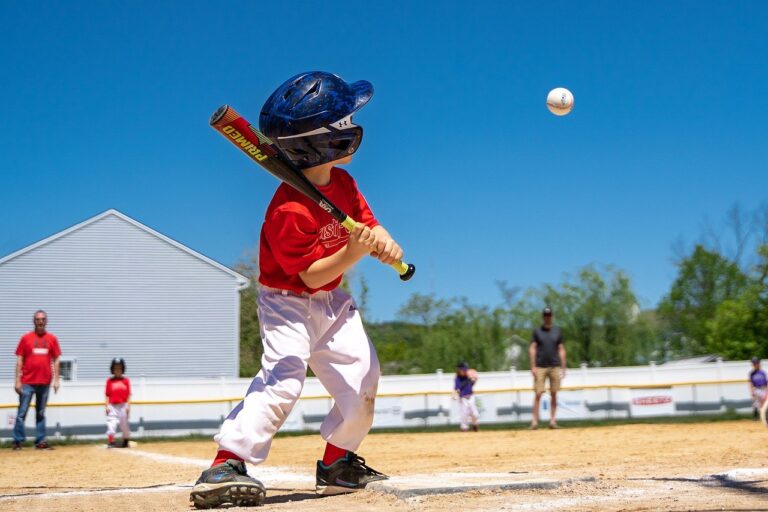
Team sports are excellent for helping kids develop confidence while also learning how to work with others. Games like soccer, basketball, or baseball teach children that success often comes from teamwork and cooperation.
When children participate in team sports, they learn how to communicate, share responsibilities, and support teammates. These experiences help them feel like an important part of a group. Contributing to a team goal—such as scoring a point or helping a teammate—can significantly boost a child’s sense of self-worth.
Team sports also teach resilience. Kids learn that sometimes they win and sometimes they lose, but both experiences help them improve. Over time, they understand that effort and persistence are more important than immediate success.
Creative Hobbies and Personal Expression
Confidence can also grow through creative activities. Hobbies such as drawing, painting, crafting, building small projects, or playing music allow children to express themselves freely.
Creative activities help kids develop patience and focus. Completing a drawing or finishing a craft project can give them a strong sense of accomplishment. When children see the results of their effort, they begin to feel proud of their work.
Sharing their creations with family members or friends can also encourage them to express their ideas more openly. This kind of self-expression helps build emotional confidence and encourages children to explore their imagination.
Outdoor Exploration and Adventure
Outdoor activities offer countless opportunities for children to build confidence. Whether it’s riding a bike, climbing a playground structure, hiking on a trail, or playing active games with friends, these experiences help kids test their abilities.
Outdoor exploration encourages children to step outside their comfort zones. For example, climbing to the top of a playground structure or completing a longer bike ride than usual can give them a sense of accomplishment.
These moments may seem small, but they help kids realize that they are capable of overcoming challenges. Spending time outdoors also improves physical strength, coordination, and independence.
When children explore the world around them, they develop curiosity and confidence at the same time.
Individual Skill-Based Activities
Some children feel more confident when they focus on improving personal skills rather than competing with others. Individual sports or skill-based activities can be a great option for these kids.
Archery, for instance, requires focus, patience, and steady concentration. Learning how to aim carefully and improve accuracy over time can give children a strong sense of achievement. Programs such as ArcheryUP help introduce young learners to the fundamentals of the sport while encouraging discipline and focus.
As kids practice and see their accuracy improve, they start to trust their abilities and feel proud of their progress.
Learning Everyday Responsibilities
Confidence doesn’t only come from sports or hobbies. Everyday responsibilities can also help children feel capable and independent.
Simple tasks such as organizing their school supplies, helping set the table, watering plants, or taking care of a pet allow children to contribute to family life. Completing these responsibilities successfully helps them feel trusted and valued.
These small moments teach kids that their actions matter. Over time, they begin to develop a sense of responsibility and independence that strengthens their overall confidence.
Social Activities and Group Interaction
Participating in social activities can also help children develop confidence in communication. Activities such as storytelling sessions, school clubs, drama groups, or community events encourage kids to interact with others and share their ideas.
For shy children, these activities can provide a safe and supportive space to express themselves. Speaking in front of a small group or participating in a performance may feel challenging at first, but each successful experience helps build confidence.
As children become more comfortable interacting with others, they develop stronger communication skills and social confidence.
Encouraging Kids Without Pressure
While activities are important for building confidence, the way adults support children during these experiences matters just as much. Encouragement and patience can make a big difference in how children view their abilities.
Parents and teachers should focus on effort rather than perfection. Celebrating small improvements helps kids stay motivated and enjoy the learning process.
It is also important to allow children to try different activities until they find what they truly enjoy. When kids feel supported and not pressured, they are more likely to develop genuine confidence and enthusiasm.
Confidence grows through experiences, practice, and encouragement. Before turning 12, children benefit greatly from trying a variety of activities that allow them to explore their abilities and discover their interests.
Whether it’s learning to swim through the Nemo Swim program, developing focus through archery programs like ArcheryUP, participating in team sports, exploring outdoor adventures, or expressing creativity through hobbies, these activities help children build strong self-belief.
The goal is not for kids to master every activity but to give them opportunities to learn, grow, and feel proud of their progress. When children experience success, overcome challenges, and receive positive encouragement, they develop the confidence they need to face the future with courage and enthusiasm.














































































































































































































































































































































































































































































































































































































































































































































































































































































































































































































































































































































































































































































































































































































































































































































































































































































































































































































































































































































































































 Senior Parenting & Education Editor