
Why Move as a Family
Creating time to move as a family isn’t just about staying fit it’s about building habits and connections that last a lifetime. Shared movement can transform both physical health and emotional bonds, while making fitness feel less like a chore and more like a shared adventure.
Key Reasons to Prioritize Family Movement
Stronger Family Bonds:
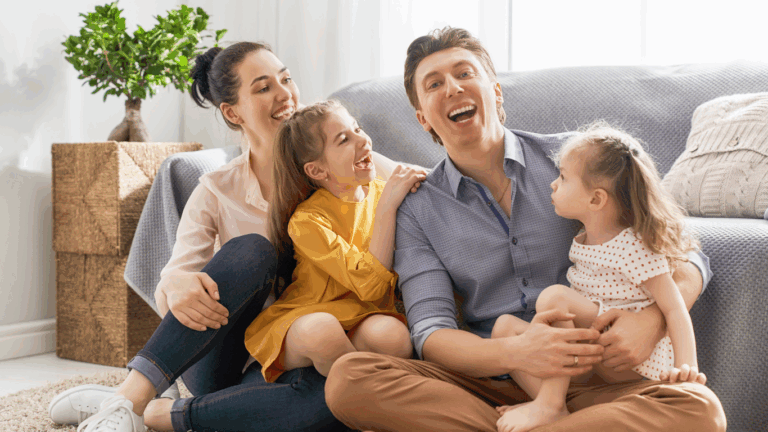
Working out or playing together encourages laughter, shared memories, and moments of connection that build deeper relationships.
Healthy Habits Begin Early:
Kids absorb routines from their environment. When exercise is normalized at home, they’re more likely to value movement as they grow.
Emotional and Mental Wellness:
Physical activity boosts mood and reduces stress. As a family, this creates a more positive household environment and teaches emotional regulation.
Teamwork and Accountability:
Setting fitness goals together builds trust. Everyone plays a role, holds each other accountable, and celebrates small victories as a team.
For an in depth look at how family exercise supports health and relationships, explore The Benefits of Regular Exercise for Families.
Easy Morning Routines to Kickstart the Day
Mornings can be hectic, but starting the day with movement helps everyone feel more energized and focused. These simple activities can be seamlessly built into your existing routine without adding stress.
Start with a 10 Minute Family Stretch or Yoga
A brief stretching session or gentle yoga flow wakes up the body and clears the mind. It’s also a calm way to share a few quiet moments before the day begins.
Focus on easy moves: shoulder rolls, toe touches, side bends
Try calming breathing exercises to reduce morning anxiety
Follow along with a short online kid friendly yoga video
Walk or Bike to School or Work
Active commutes combine fitness and function. If it’s safe and feasible, walking or biking together adds intentional movement to the day without requiring extra time.
Even part of the route counts park a few blocks away if needed
Use the time to chat, plan the day, or simply enjoy fresh air
Builds consistency with a habit that’s easy to maintain
Quick Boosts: Jumping Jacks or Stair Climbs Before Breakfast
Short bursts of activity get the blood pumping and help kids (and adults) wake up faster.
Do a 1 minute challenge: Who can do the most jumping jacks?
Run up and down the stairs together keep it fun and light
Make it a routine signal that it’s time to transition to the day
A few minutes of movement in the morning can transform the tone of the entire day. Keep it playful, predictable, and participatory.
After School and Work Movement Ideas
You don’t need a gym or a fancy program to get moving after a long day. Just head outside and let chaos do the work an old school backyard game of tag or a quick DIY obstacle course is all it takes. Think cones, jump ropes, sidewalk chalk. No rules, low pressure, high movement. The kids get their energy out, and you get a solid calorie burn.
Inside, the kitchen becomes a dance floor. Crank some music while chopping veggies or stirring the pasta. It doesn’t matter if you’re off beat this is about endorphins, not performance. Let the kids pick the playlist and take turns showing off moves. Ten minutes of silliness can shift the mood of an entire evening.
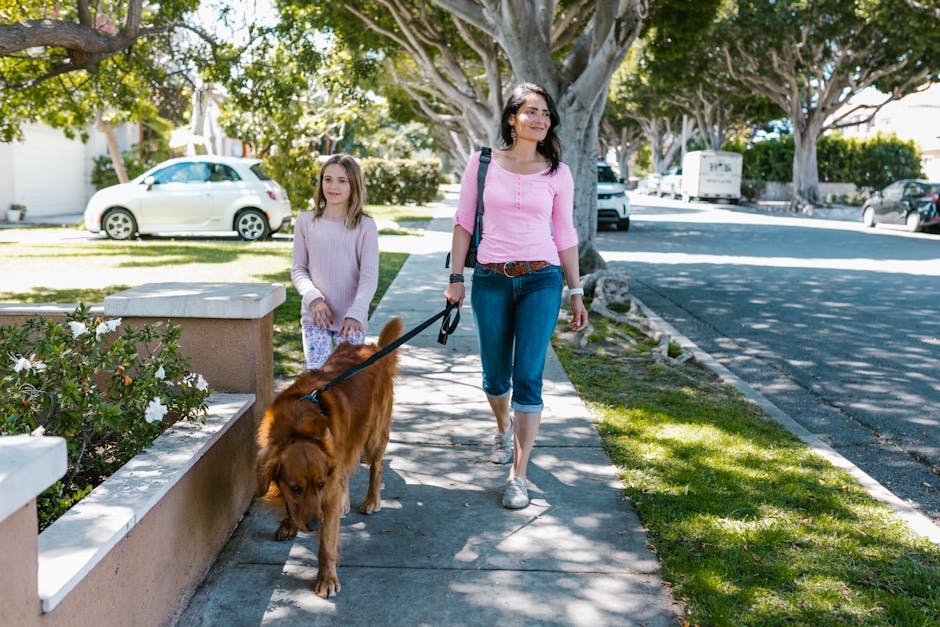
And don’t forget the dog. Evening walks can turn into mini fitness missions. Speed walk one block, jog the next. Let each family member take turns leading. It’s cardio, it’s bonding, and the dog’s thrilled.
These little pockets of motion add up. Don’t overthink it. Just move together.
Weekend Fitness that Feels Like Fun
Weekends are the perfect reset. No tight schedules, no rushing. Just time and a good chance to move together without feeling like it’s a chore. That doesn’t mean dragging everyone to the gym. It means grabbing bikes and heading to a local trail. Or hitting a neighborhood park for an hour of light hiking and playground climbing. Fresh air, low pressure, maximum gain.
Family friendly workout videos are another low barrier way to keep moving, especially when the weather turns or energy is low. Pick short, upbeat routines that don’t feel like a grind. The key is making the activity approachable enough that everyone from kindergarteners to grandparents can follow along and feel good doing it.
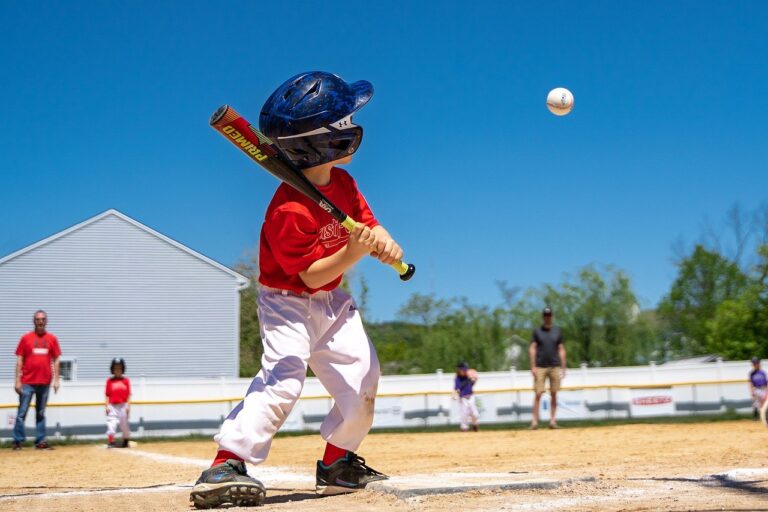
And if competition lights a spark, great. Try a DIY tournament in your yard or at a park. Soccer shootouts, timed jump rope rounds, balance challenges build a casual bracket and rotate who leads each game. Doesn’t need to be fancy. Just real movement, real laughs, and a bit of friendly rivalry to keep everyone coming back for more.
Making It Stick Without the Struggle
Consistency is your best friend. Whether it’s ten minutes before school or a short wind down after dinner, having a regular time helps movement become routine. It’s less about squeezing it in and more about making it part of the day, like brushing teeth or setting the table.
The trick is to keep the vibe easygoing. Don’t force it. Some days will be high energy, others won’t. It’s okay. Encouragement matters more than intensity.
To avoid burnout, mix it up. Let a different family member choose the activity each day or week. Maybe one day it’s living room karaoke dance off, the next it’s partner stretches. Giving everyone a say adds ownership and laughs.
And yes, rewards help. Track progress with stickers, stars, or simple milestone goals. Celebrate when you hit them banana pancakes, movie night, or an extra long bedtime story. It doesn’t have to be elaborate. Just real.
Benefits Beyond the Physical
When families move together, the ripple effect goes well beyond muscle tone. Regular activity leads to better sleep for both kids and adults. That means sharper minds, less groggy mornings, and more energy to get through the day without that 3 p.m. crash.
Mood also sees a lift. Exercise helps balance hormones, reduce anxiety, and boost overall resilience. For kids, this can mean fewer meltdowns and more emotional regulation. For parents, it’s a calmer headspace to manage work, home, and everything in between.
There’s a mental edge too. Moving daily builds discipline in a low stakes, consistent way. Turning that into a group effort? Even better. Shared goals like hitting a week of daily walks or finally mastering the group plank can show kids what accountability looks like and why it matters.
Strong bodies help, but strong habits last. And it begins with showing up, together.
(See: Exercise Benefits Families)
Simple, Sustainable, and Worth It
You don’t need high end equipment or a home gym to make fitness part of family life. A yoga mat, a jump rope, or just a patch of open floor will do. In fact, half the battle is forgetting the excuses no gear, no problem.
What matters is showing up. Twenty minutes a day might not sound like much, but it adds up fast. A dance break in the living room, a walk after dinner, or a quick session of squats and stretching it all counts.
You don’t have to run marathons or plan elaborate workouts to feel the difference. Moving together builds momentum. Over time, those daily routines turn into something deeper. You feel better. You feel closer. You feel more like a team. And that’s the real win.









































































































































































































































































































































































































































































































































































































































































































































































































































































































































































































































































































































































































































































































































































































































































































































































































































































































































































































































































































































































































 Senior Parenting & Education Editor