
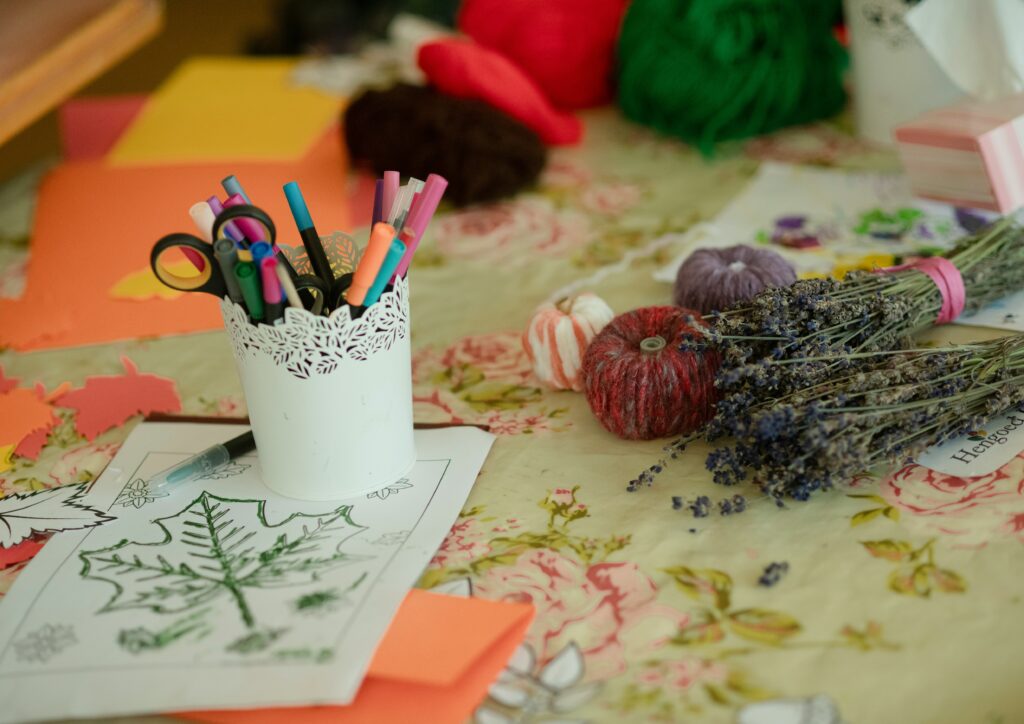
It’s a rainy Saturday afternoon; the kids are restless, and everyone has already reached their screen limit for the day. Sound familiar? In moments like these, families often reach for another movie or a board game — but there’s an option that does something neither of those can: it produces something lasting. Creative art projects at home have a quiet magic to them. They give everyone at the table a job to do, a reason to talk, and — when the afternoon is over — something real to show for it.
The bonus? Done right, the art your family makes together can end up on your walls, turning a living room into a gallery of your own story.
Why Art Projects Are Such a Powerful Family Activity
There’s genuine science behind why making art together feels so good. Creative activities reduce stress hormones and promote a relaxed, focused state — for adults as much as kids. But for children specifically, the developmental benefits of art projects are well documented.
Paint-by-numbers, for instance, is more than a fun rainy-day activity. Research shows it builds fine motor skills, sharpens number recognition, improves memory and attention span, and encourages logical thinking — all while kids genuinely enjoy themselves. It’s the kind of learning that doesn’t feel like learning.
Beyond the individual benefits, the shared experience matters enormously. When a family sits around the same table working toward a common goal, something shifts. Conversations happen naturally. Older kids help younger ones. Parents remember what it feels like to make something with their hands. A few hours of painting together creates the kind of low-key, easy connection that busy family schedules rarely make room for — and kids who regularly engage in arts and crafts with their families develop a sense of accomplishment and self-esteem that carries well beyond the activity itself.
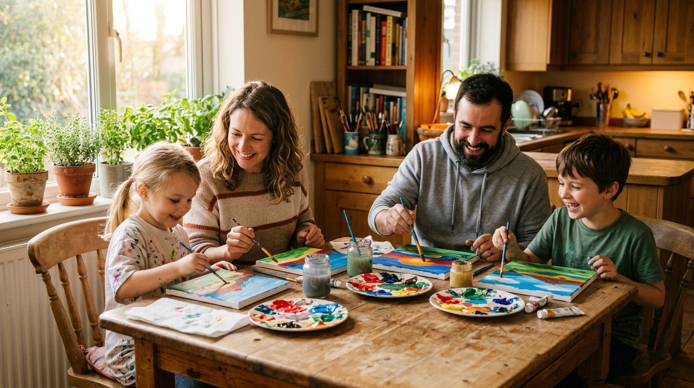
A family of four sitting around a kitchen table painting together, warm afternoon light, relaxed and smiling
Custom Paint-by-Numbers: The Activity That Becomes a Keepsake
Not all art projects are created equal when it comes to family engagement. Generic craft kits have their place, but there’s something that takes the experience to a completely different level: turning a photo that actually means something to your family into a painting you create together.
Custom paint-by-numbers kits do exactly that. You upload a favorite family photograph — a holiday snapshot, a candid from a camping trip, a portrait of your pet — and it arrives at your door as a numbered canvas with pre-matched paints. Then you paint it together, section by section, color by color.
The result is a piece of art that is both a creative achievement and a memory. It hangs on your wall and carries a story behind every brushstroke. That combination of personal meaning and handmade craft is what makes it so much more resonant than anything you’d pick up at a home goods store. In fact, 58% of consumers say they now prefer to decorate their homes with personalized art that reflects their lives and interests — and it’s easy to understand why when you’ve seen a family photo come to life through paint.
If this sounds like something your family would love, you can learn more about custom kits at NumberArtist — they let you upload any image and receive a ready-to-paint canvas sized for your family’s skill level and available wall space.
Making It a Ritual, Not a One-Off
One great afternoon is wonderful. But the families who get the most out of creative art projects are the ones who make it a regular thing — not a big production, just a recurring slot in the family routine.
A few ideas to make it stick:
- Pick one weekend afternoon a month. Put it on the calendar like any other commitment. Kids will start looking forward to it.
- Rotate who chooses the subject. One month, Dad picks the family photo for the custom kit. Next month, it’s the youngest child’s turn. This gives everyone ownership of the project.
- Display finished pieces as you go. Don’t let completed paintings sit in a closet. Frame them, hang them, talk about them. When kids see their work on the wall, the next project becomes something to look forward to rather than something to finish.
- Keep supplies visible and accessible. A dedicated shelf or art basket signals that creativity is welcome here, not just something that happens on special occasions.
Over time, these monthly sessions produce something unexpected: a living record of your family at different ages and moments. A gallery wall built this way isn’t just decoration — it’s a timeline.
Building a Family Gallery Wall That Actually Works
Displaying family-made art is one of the most meaningful things you can do with your walls — but it takes a little intention to make it look cohesive rather than chaotic.
The key is anchoring your gallery wall with a statement piece that gives the whole display visual structure. Handmade art is personal and wonderful, but it can vary a lot in scale, color, and finish. A strong centerpiece — something with visual weight and professional polish — holds everything else together and elevates the personal pieces around it.
This is where a curated multi-panel set earns its place in a family home. For example, a 3 piece painting offers the kind of visual impact and cohesion that anchors a gallery wall beautifully — pairing with your family’s handmade paintings in a way that makes the whole arrangement feel intentional and designed. The colors and scale of a triptych draw the eye, while the personal pieces arranged around it tell the story.
The research backs up what many families already know intuitively: 74% of homeowners say they feel more relaxed when surrounded by artwork in their living spaces. A gallery wall that mixes professional art with family-made pieces achieves something neither type of art can do alone — it’s both beautiful and deeply personal.
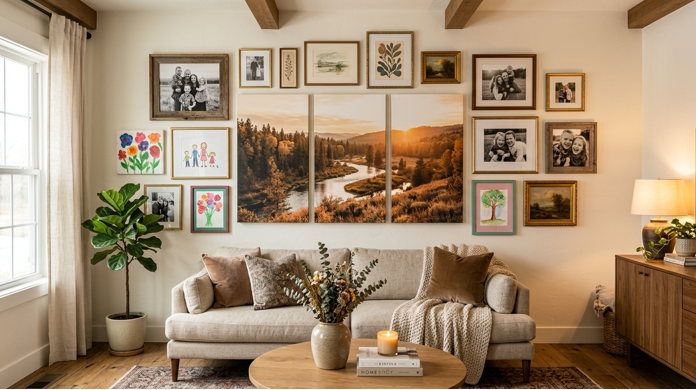
A living room gallery wall featuring a triptych canvas print as a centerpiece, surrounded by framed family artwork and photographs, in a warm and inviting home setting
An Age-by-Age Guide to Family Art Projects
One of the best things about creative art projects — especially paint-by-numbers — is how well they scale across age groups. Here’s how to make it work for everyone at your table:
- Toddlers (ages 2–4): Keep it simple. Finger painting, large-section coloring pages, or stamping activities let little ones participate without frustration. Their job is to enjoy the process, not finish the piece.
- Early school age (ages 5–9): This is the sweet spot for standard paint-by-numbers kits. Children this age can follow numbered sections, hold a brush with precision, and feel a strong sense of pride in completing something. Start with a smaller canvas and a simpler image.
- Tweens (ages 10–13): Step up the complexity. Kids this age are ready for larger custom kits with more detail, and they often want creative input — let them help choose the source photo or the color palette.
- Teens (ages 14+): Many teens who “don’t do crafts” will surprise you with a photo-realistic custom kit of something they actually care about — a favorite pet, a meaningful landscape, a band they love. Give them creative control and step back.
- Adults: The meditative quality of paint-by-numbers is a genuine stress reliever for grown-ups. Complex, photo-realistic kits are absorbing in the best way, and finishing one together as a couple or as a parent-child duo carries its own quiet satisfaction.
Start This Weekend
You don’t need a special occasion to start. A cleared kitchen table, an afternoon, and a willingness to make something imperfect together — that’s all it takes to begin.
Over time, what you build is more than a collection of paintings. It’s a habit of creativity, a set of shared memories, and a home that genuinely reflects the people who live in it. The walls fill up. The kids grow. And the art stays, carrying those moments forward longer than any photo album does.
Pick your first project, clear an afternoon, and see what your family makes.





































































































































































































































































































































































































































































































































































































































































































































































































































































































































































































































































































































 Health & Wellness Contributor